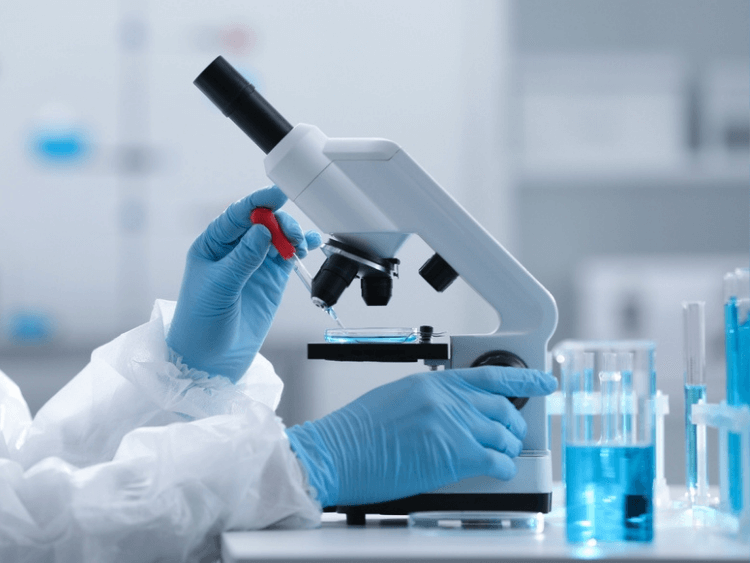

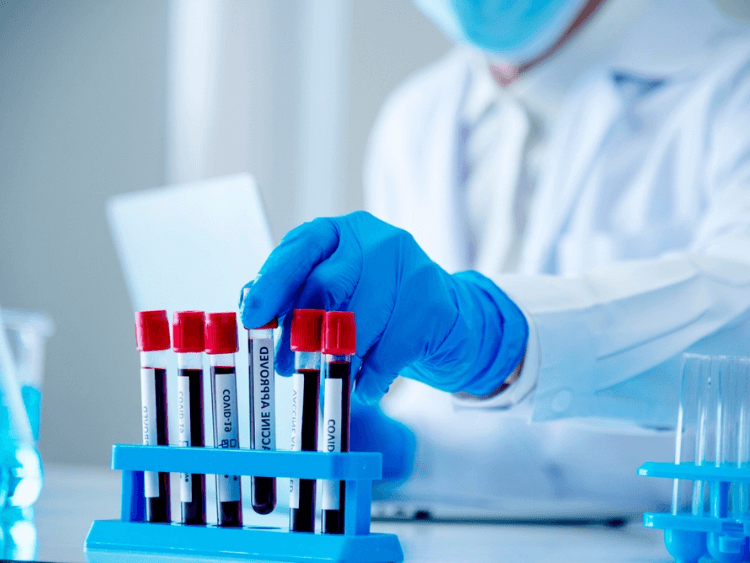
Biochemistry Laboratory is a scientific setting where biochemical research is conducted. Biochemistry itself is the branch of science that deals with the chemical processes and substances that occur within living organisms. In a biochemistry lab, scientists typically explore topics like metabolism, enzyme activity, protein structure and function, genetic material, and the molecular mechanisms behind cellular processes.
In clinical biochemistry laboratories, analyses are performed on all biological materials for the purposes of diagnosing diseases, distinguishing between similar conditions, determining the severity of a disease, monitoring the progress of recovery, and detecting asymptomatic diseases.
A general overview of a biochemistry laboratory:
Spectrophotometer: Used to measure the absorption of light by substances. This is essential for determining concentrations of compounds, like proteins or nucleic acids.
Centrifuge: Separates components of a sample based on their size and density, using rapid spinning.
Chromatography Systems: Techniques like gas or liquid chromatography separate different components of a mixture. They help isolate specific molecules from complex mixtures.
Pipettes and Micro Pipettes: For precise measurement and transfer of liquids, often at the microliter scale.
PCR Machine (Thermal Cycler): Used for amplifying specific segments of DNA, important in genetic studies.
Electrophoresis Apparatus: Helps separate molecules, like DNA, RNA, or proteins, based on their size and charge through a gel matrix.
Protein Purification: Techniques like affinity chromatography, ion-exchange chromatography, and gel filtration help isolate proteins from mixtures.
Enzyme Assays: Scientists measure the activity of enzymes under various conditions to understand their kinetics and mechanisms.
DNA/RNA Analysis: PCR, sequencing, and Northern/Southern blotting are common methods to study genetic material.
Metabolic Pathway Analysis: This includes using radiolabeled compounds or tracking metabolites to study the biochemical pathways in cells.
Structural Biology: Techniques such as X-ray crystallography, NMR spectroscopy, or cryo-EM are used to determine the 3D structures of proteins and nucleic acids.
Drug Discovery: Biochemists study how drugs interact with proteins and enzymes, aiding in the development of new pharmaceuticals.
Nutrition: The study of metabolic processes helps in understanding the biochemical basis of nutrition and its impact on health.
Since biochemistry labs often deal with chemicals, enzymes, nucleic acids, and even potentially infectious biological materials, safety is critical:
Protective Gear: Lab coats, gloves, and goggles are required to protect against chemicals and biological agents.
Proper Disposal: Waste such as chemical solutions, biological samples, and disposable equipment should be disposed of properly according to safety guidelines.
Ventilation: Many experiments require the use of fume hoods to protect from inhaling hazardous fumes or particles.
Workspace Organization: Labs are typically divided into areas for specific tasks, such as PCR setup, , or chemical synthesis.
Cleanliness: It's vital to keep the lab clean to avoid contamination, especially when working with cell cultures or sensitive biological materials.
Reagents and Chemicals: Biochemistry labs stock a variety of chemicals like buffers, enzymes, substrates, and reagents for chromatography.
Conclusion:
Biochemistry laboratories play a critical role in advancing our understanding of biology at the molecular level. The combination of chemical and biological techniques allows researchers to uncover the mechanisms of life and develop new technologies, drugs, and therapies. Whether in academic research, healthcare, or industry, biochemistry labs are crucial for pushing forward knowledge and applications in many areas of science and medicine.