


Medical Laboratory

Medical Laboratory
Medical Laboratory
Medical Laboratory
Medical Laboratory
Medical Laboratory
Medical Laboratory
Medical Laboratory
Medical Laboratory
Medical Laboratory
Medical Laboratory
Medical Laboratory
Medical Laboratory
Medical Laboratory
Medical Laboratory
Medical Laboratory
Medical Laboratory
Medical Laboratory
Medical Laboratory
Medical Laboratory
Medical Laboratory
Medical Laboratory
Medical Laboratory
Medical Laboratory
Medical Laboratory
Medical Laboratory
Medical Laboratory
Medical Laboratory
Medical Laboratory
Medical Laboratory
Medical Laboratory
Medical Laboratory
Medical Laboratory
Medical Laboratory
Medical Laboratory
Medical Laboratory
Medical Laboratory
Medical Laboratory

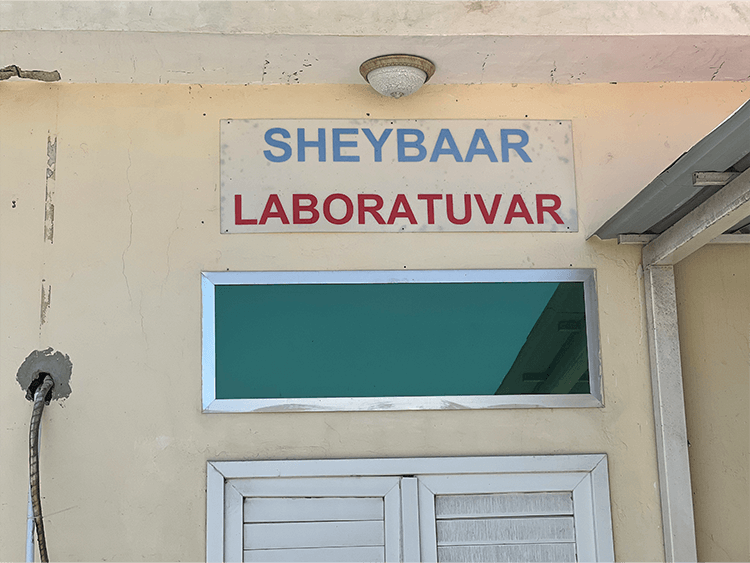
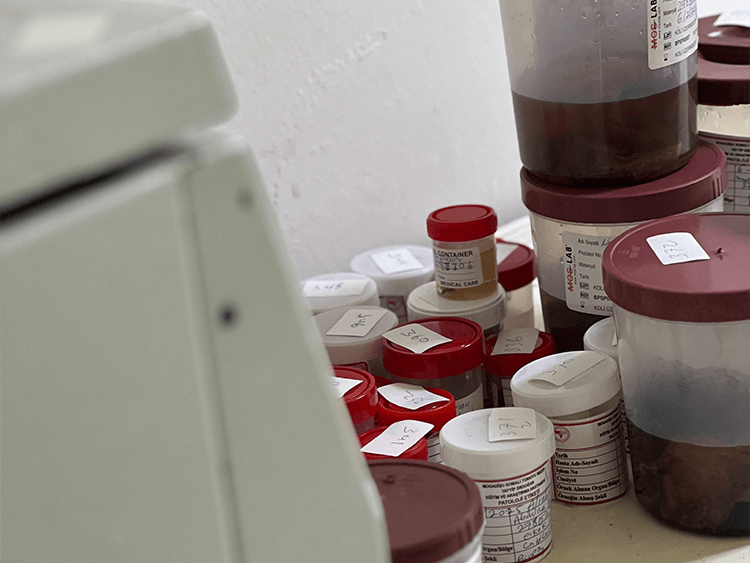
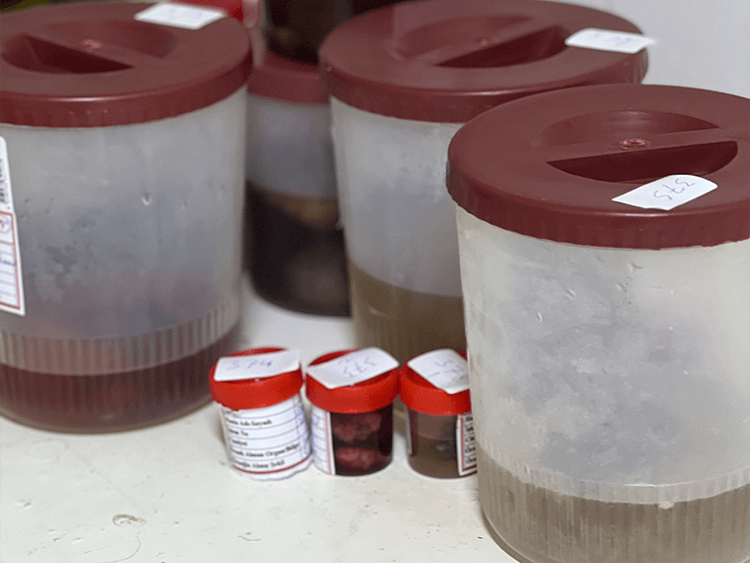
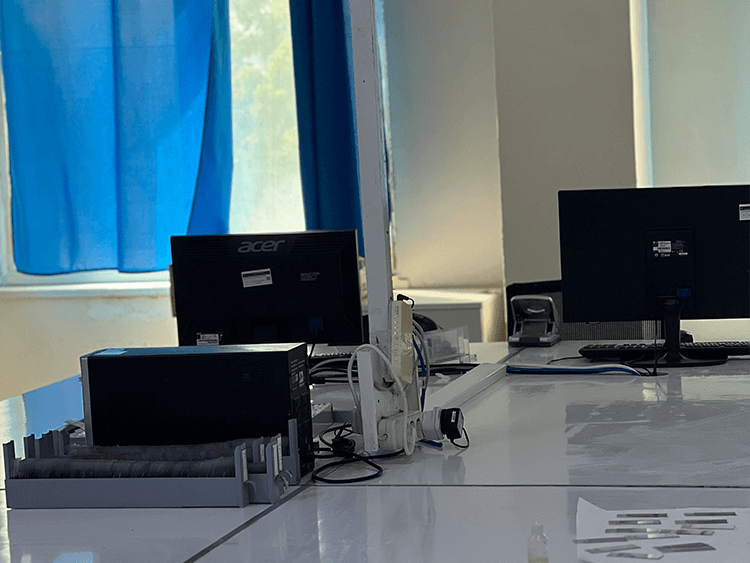
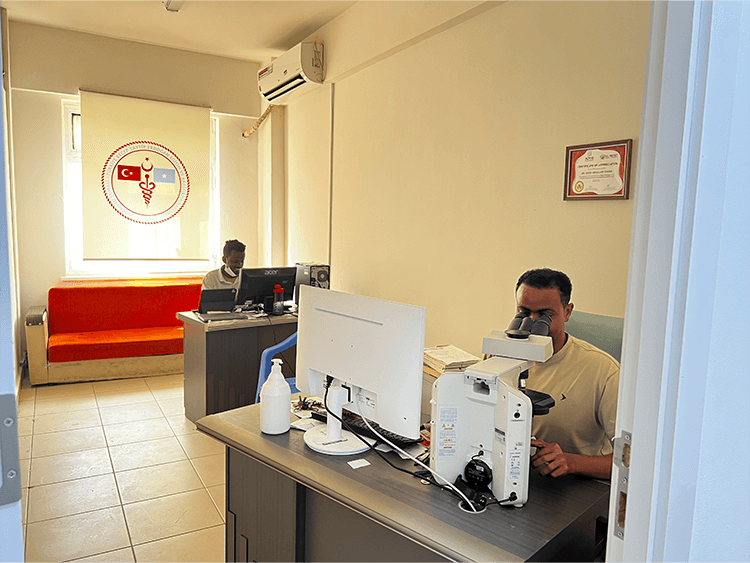
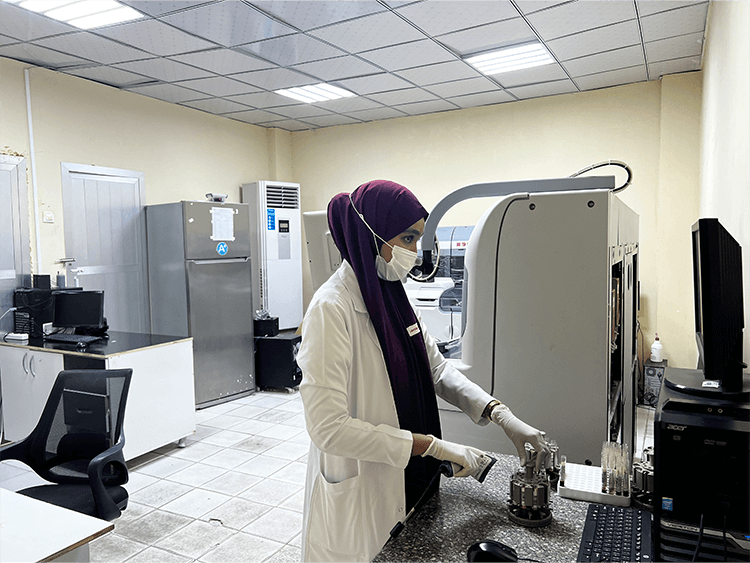
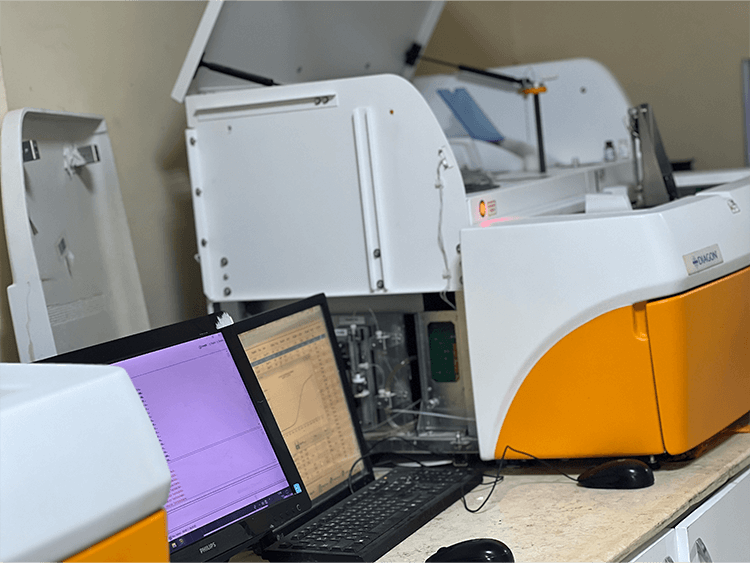
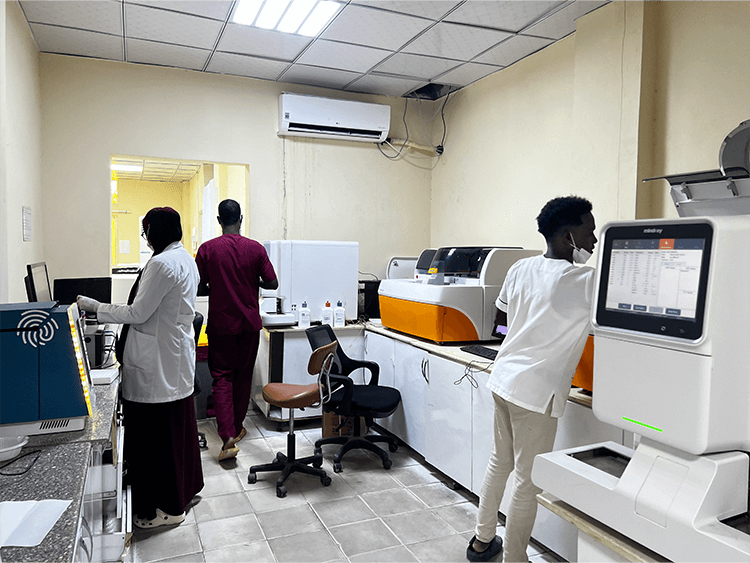
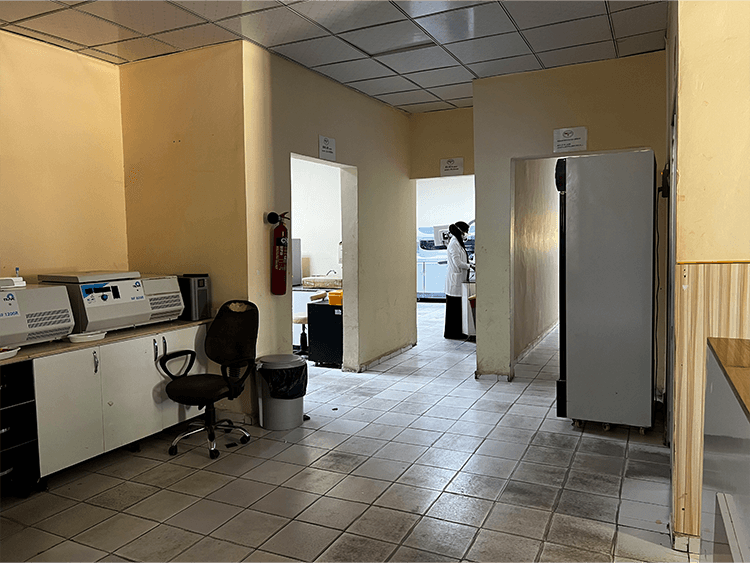
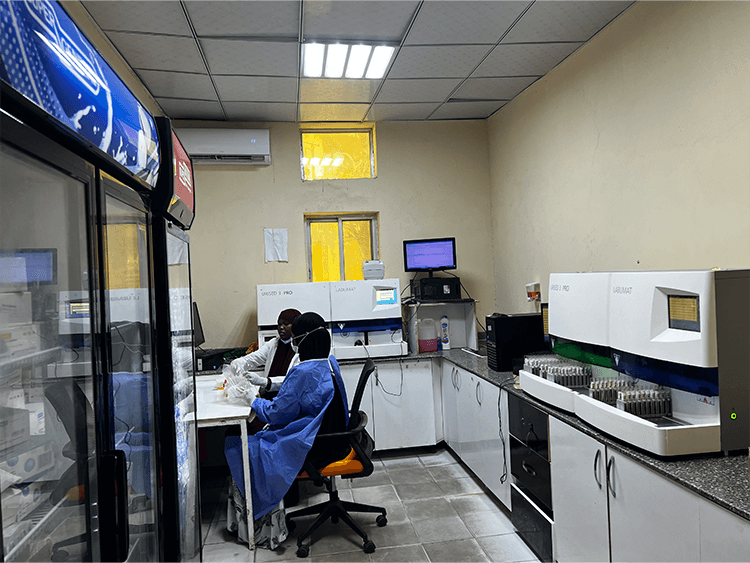
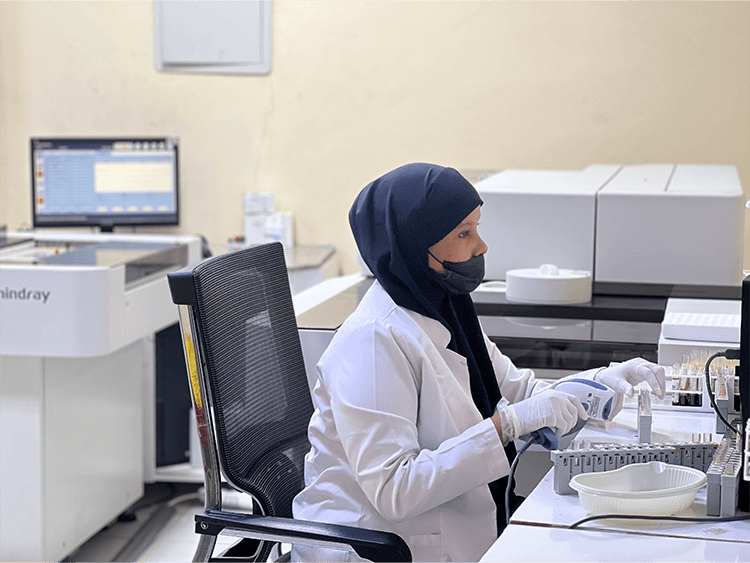
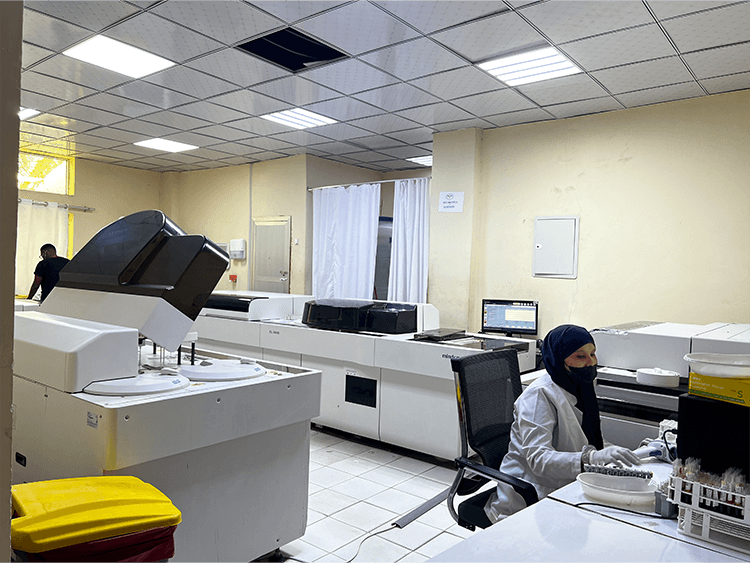
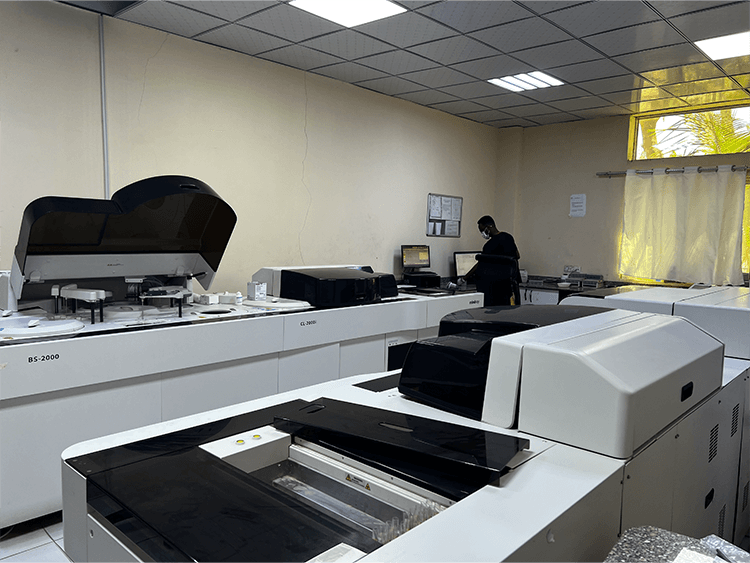
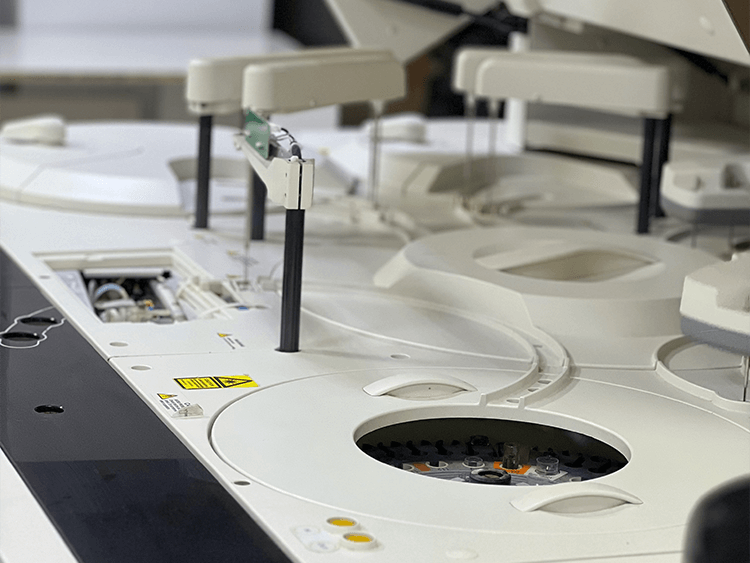
A medical laboratory is a facility where various tests and analyses are conducted on biological samples, such as blood, urine, tissues, and other body fluids. These tests are essential for diagnosing, monitoring, and managing various diseases and medical conditions. Medical laboratories play a crucial role in healthcare by providing accurate and timely data that physicians use to make informed decisions about patient care.

Medical laboratories typically perform a range of tests, including:

  1. Hematology – Blood tests that assess blood cells, hemoglobin levels, and clotting ability.
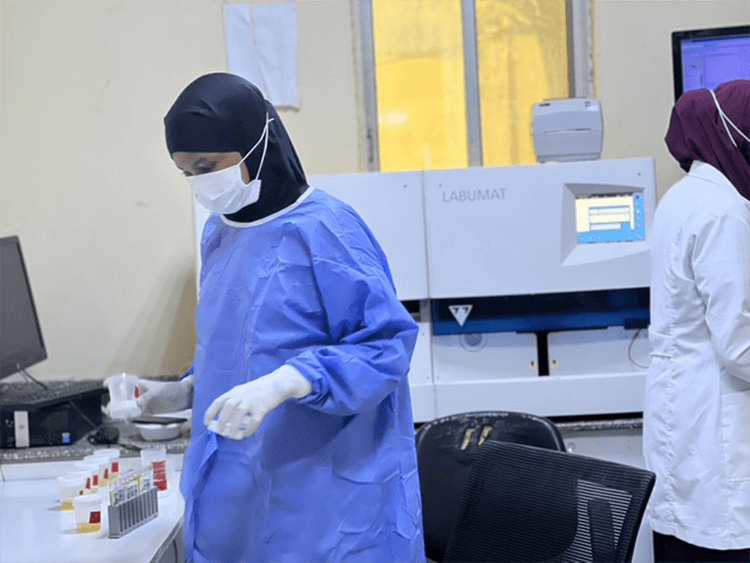
  2. Urine – Urinalysis can provide information about kidney function and detect diseases like diabetes or urinary tract infections.
  3. Microbiology – Tests for infections caused by bacteria, viruses, fungi, and parasites.
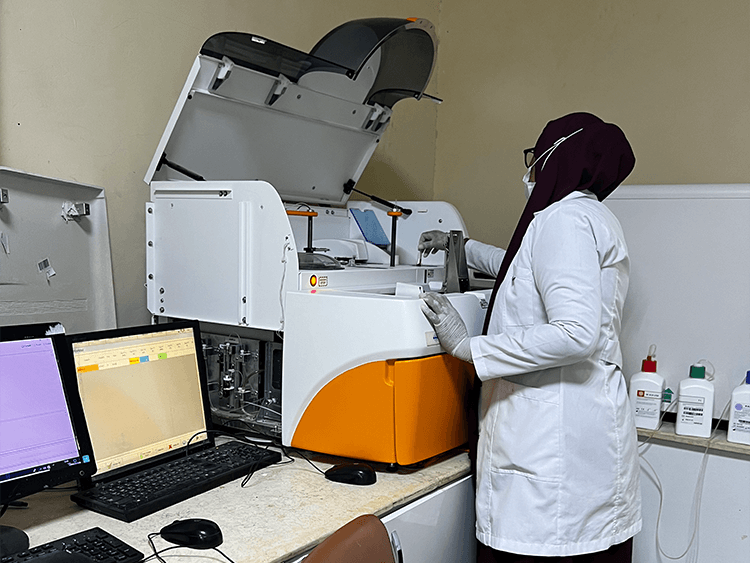
  4. Biochemistry/Clinical Chemistry – Tests that analyze blood, urine, and other bodily fluids to assess metabolic function, organ health, and chemical imbalances.
  5. Immunology – Tests that assess immune system function, including the detection of antibodies and antigens.
  6. Pathology – Laboratory tests related to the study of tissues and cells to detect diseases like cancer.

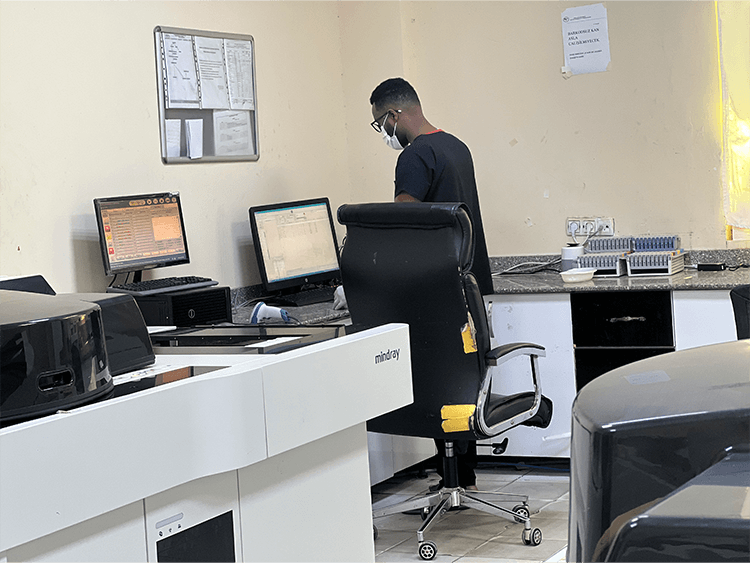
Medical labs are typically staffed with laboratory technicians or technologists, pathologists, and other medical professionals, all of whom ensure the proper handling, processing, and analysis of specimens.

Videos