Introduction
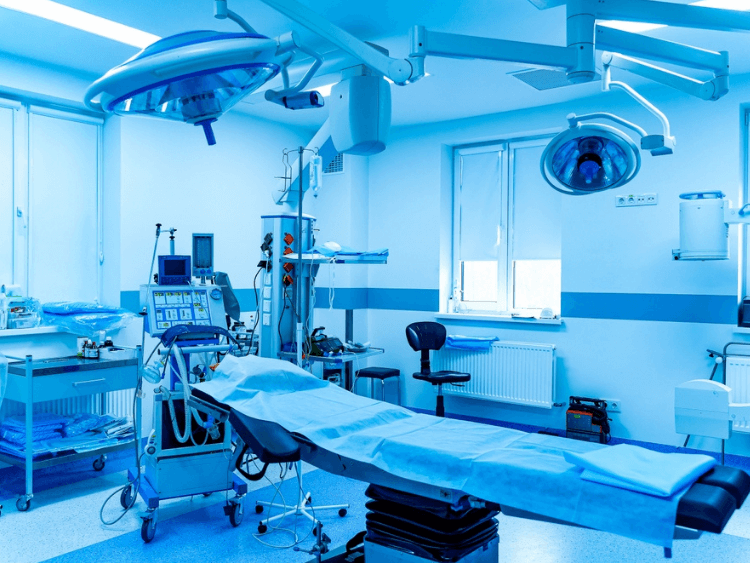
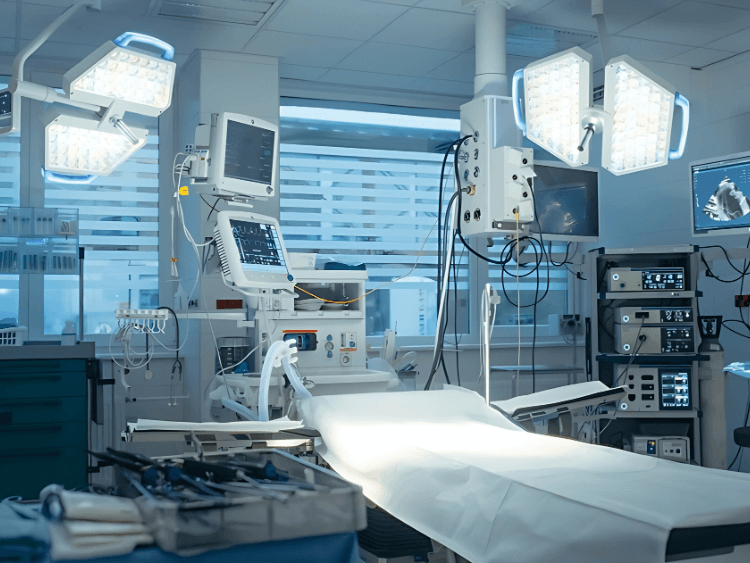
An operation theater (OT), also referred to as a surgical theater, is a sterile environment where surgical procedures are conducted. Our hospital's operation theater comprises seven rooms and is meticulously designed to reduce the risk of infection during surgeries. The operation theater is outfitted with specialized instruments, lighting, and technology essential for surgeons to perform medical procedures.
Key features of our hospital's operation theater include:
- Sterility: Maintaining a sterile environment is paramount. The OT is thoroughly cleaned and disinfected before each procedure, and everyone entering the room must follow strict hygiene protocols, such as wearing sterile gowns, gloves, and masks.
- Lighting: High-intensity, adjustable lights ensure the surgeon has excellent visibility of the surgical site. These lights are often mounted on the ceiling and provide focused, shadow-free illumination.
- Surgical Instruments: The room is equipped with specialized tools, such as scalpels, forceps, and scissors, to perform a wide range of procedures. Instruments are sterilized before each use to prevent infection.
- Anesthesia Equipment: For most surgeries, patients are given anesthesia. The OT is equipped with anesthesia machines that help monitor and control the patient’s vital signs, such as heart rate and oxygen levels, while they are under anesthesia.
- Monitoring Equipment: Continuous monitoring of the patient’s vital signs (like heart rate, blood pressure, oxygen saturation, and temperature) is essential during surgery. This is done with the help of advanced monitoring devices that provide real-time data.
- Surgical Team: The operation theater is typically staffed with a skilled surgical team that includes:
- Surgeons: Perform the surgical procedure.
- Anesthesiologists: Administer anesthesia and monitor the patient's vital signs.
- Nurses: Assist with preparation, equipment handling, and patient care during surgery.
- Surgical Technologists: Prepare instruments and assist during surgeries.
- Cleanliness and Airflow: The operation theater has a specialized air filtration system, often referred to as a laminar flow system, to ensure the air is free from harmful microorganisms. This is important to prevent infections and keep the surgical field as sterile as possible.
- Layout and Design: The design of our hospital's operation theater focuses on efficiency and safety. It’s organized to facilitate smooth workflows and minimize contamination risks. The floor is usually made of non-porous materials for easy cleaning.
- Emergency Equipment: In case of complications during surgery, emergency equipment, including defibrillators and other life-saving machines, is readily available.
- Communication Systems: Our hospital's operation theaters are equipped with modern communication systems that allow the surgical team to communicate with other medical professionals and departments within the hospital. This ensures timely and efficient coordination during surgeries.
- Imaging Equipment:Our operation theater is equipped with advanced imaging devices and equipment to assist surgeons in visualizing the surgical site and making precise decisions during procedures. These include
- Intraoperative Fluoroscopy & X-ray Equipment
- C-Arm (Mobile Fluoroscopy Unit) – Provides real-time X-ray imaging during surgeries, commonly used in orthopedic, vascular, and spine surgeries.
- Portable X-ray Machine – Used for taking radiographic images inside the OR, especially for trauma and orthopedic cases.
- Ultrasound Imaging Equipment
- Portable Ultrasound Machine – Used for intraoperative guidance, vascular access, regional anesthesia, and real-time organ visualization.
- Intraoperative Ultrasound (IOUS) – A specialized ultrasound used during surgery for assessing tissues, tumors, and blood flow.
- Endoscopic & Laparoscopic Imaging Systems
- Endoscope – Used in minimally invasive procedures for visualization inside the body (e.g., laparoscope, arthroscope, bronchoscope).
- Laparoscopic Camera System – High-definition camera and light source used in laparoscopic surgeries.
- Navigation & Optical Imaging Systems
Ophthalmic Microscope with OCT (Optical Coherence Tomography) – Provides high-resolution imaging for eye surgeries.