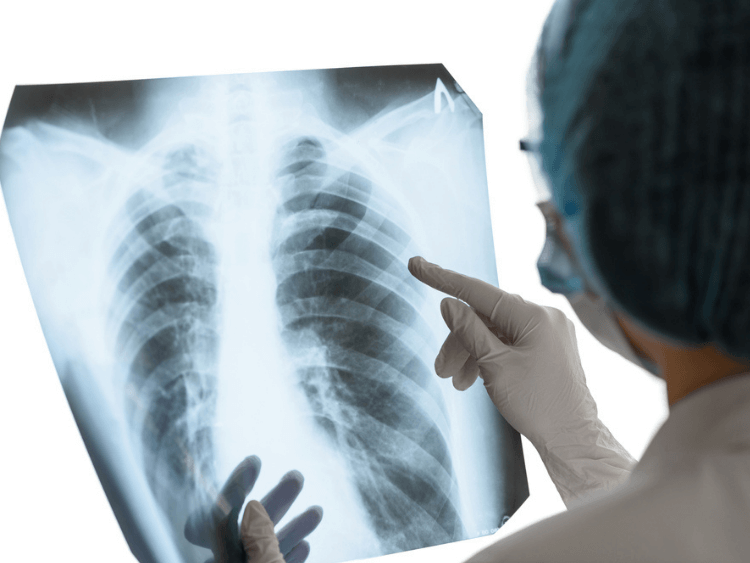
Pulmonology is a medical specialty that focuses on the diagnosis, treatment, and prevention of diseases and conditions related to the respiratory system, which includes the lungs, airways, and other structures involved in breathing. It encompasses a wide range of diseases, from common conditions like
A pleural effusion is the accumulation of excess fluid between the layers of the pleura, the membranes surrounding the lungs. It can be caused by heart failure, infections, or malignancies. Symptoms may include difficulty breathing, chest pain, and a dry cough.
Pneumothorax occurs when air or gas enters the space between the lungs and the chest wall (pleural space), causing the lung to collapse. This can result from trauma, medical procedures, or lung diseases. Symptoms include sudden chest pain and difficulty breathing.
ARDS is a severe condition in which the lungs become inflamed and filled with fluid, leading to low oxygen levels in the bloodstream. It can result from trauma, infections, or pneumonia, and may require mechanical ventilation. Symptoms include rapid breathing, cyanosis, and confusion.
Bronchiectasis is a condition where the airways in the lungs become abnormally widened, leading to mucus accumulation, infection, and difficulty clearing the lungs. It is often caused by chronic infections or conditions like cystic fibrosis. Symptoms include chronic cough, sputum production, and recurrent lung infections.
A lung abscess is a localized collection of pus within the lung tissue, often due to bacterial infections. It can develop from pneumonia or aspiration. Symptoms include fever, chest pain, coughing up foul-smelling sputum, and shortness of breath.
Sarcoidosis is an inflammatory disease that causes the formation of small clusters of immune cells (granulomas) in various organs, most commonly the lungs. Its cause is unknown, but it can lead to breathing problems, fatigue, and other systemic symptoms. The disease can be asymptomatic or cause severe lung damage over time.
Diagnostic Tools:
A chest X-ray is an imaging test that uses radiation to capture detailed images of the chest, including the lungs, heart, ribs, and other structures. It helps diagnose conditions like lung infections, pneumonia, heart failure, fractures, and tumors. The procedure is quick and non-invasive, typically requiring the patient to stand still and take a deep breath while the image is taken. Chest X-rays are commonly used as a first step in evaluating respiratory or cardiovascular issues.
A diagnostic test used to monitor and evaluate sleep disorders such as sleep apnea. It records brain activity, heart rate, oxygen levels, and other body functions during sleep
A pleural biopsy is a diagnostic procedure in which a small sample of tissue is taken from the pleura (the membrane surrounding the lungs) for examination under a microscope. This is often done when there is suspected disease such as infections, cancers, or pleural effusion that requires further investigation. It can be performed through needle biopsy (thoracentesis) or via a surgical procedure.
Medical thoracoscopy, also known as pleuroscopy, is a minimally invasive procedure used to examine the pleural cavity (space between the lungs and chest wall). It is typically performed using a small camera (thoracoscope) inserted through a small incision in the chest. It can be used for diagnostic purposes, like examining pleural effusions or biopsying suspicious tissue, and sometimes for therapeutic interventions such as draining fluid.
Bronchoscopy is a procedure in which a doctor uses a thin, flexible tube (bronchoscope) equipped with a camera to examine the airways of the lungs (bronchi). This allows for the diagnosis and treatment of respiratory issues like infections, tumors, or blockages. It can also be used to collect tissue samples (biopsy) or remove foreign bodies or mucus.
A procedure that combines bronchoscopy and ultrasound to examine the airways and surrounding tissue, often used for diagnosing and staging lung cancer.
Lung Volume Reduction Surgery (LVRS) is a surgical procedure used to remove damaged or diseased sections of the lungs, typically in patients with emphysema or severe chronic obstructive pulmonary disease (COPD). The goal is to reduce lung size, improve lung function, and make breathing easier by allowing the healthier parts of the lungs to expand and work more efficiently. It can significantly improve quality of life for certain patients with advanced lung disease
Pulmonologists are medical doctors who specialize in diagnosing and treating respiratory diseases. They may work in hospitals, outpatient clinics, or research settings, often collaborating with other specialists such as oncologists, cardiologists, or thoracic surgeons. In addition to treating individual patients, pulmonologists often play a role in public health efforts related to lung disease prevention, such as anti-smoking campaigns and research on air quality and respiratory diseases.