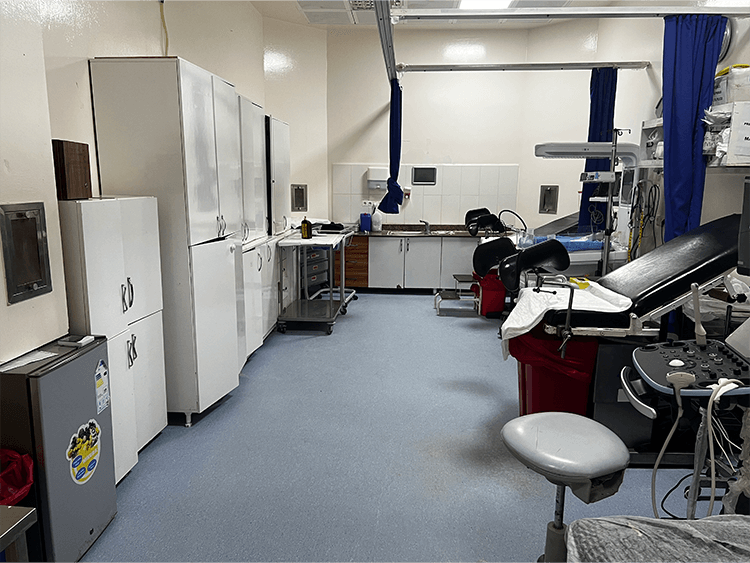
A delivery room is a specialized medical facility in a hospital where a woman gives birth. It's designed to be sterile and safe, ensuring both the mother and baby receive the proper care during labor and delivery. Here’s an overview of what you can typically find in a delivery room:
- Medical Equipment:
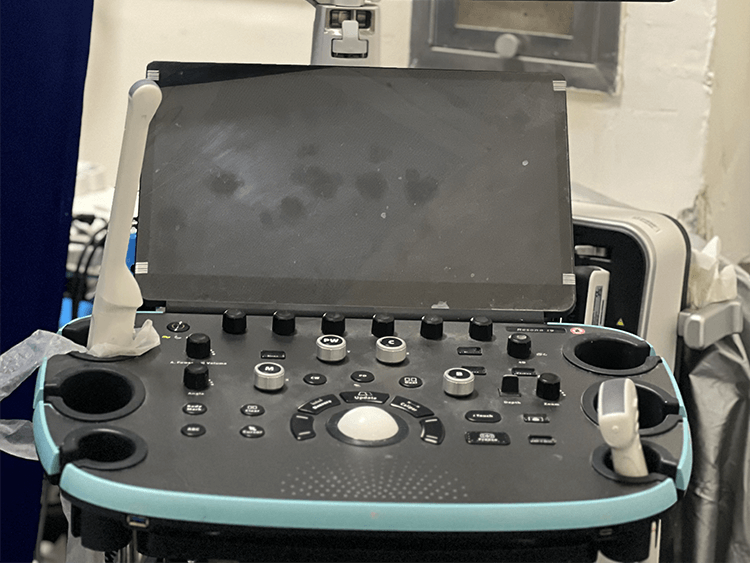
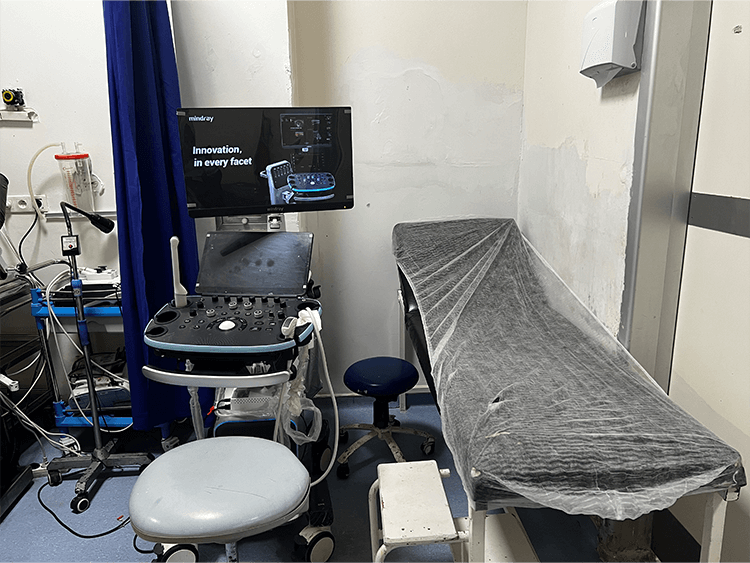
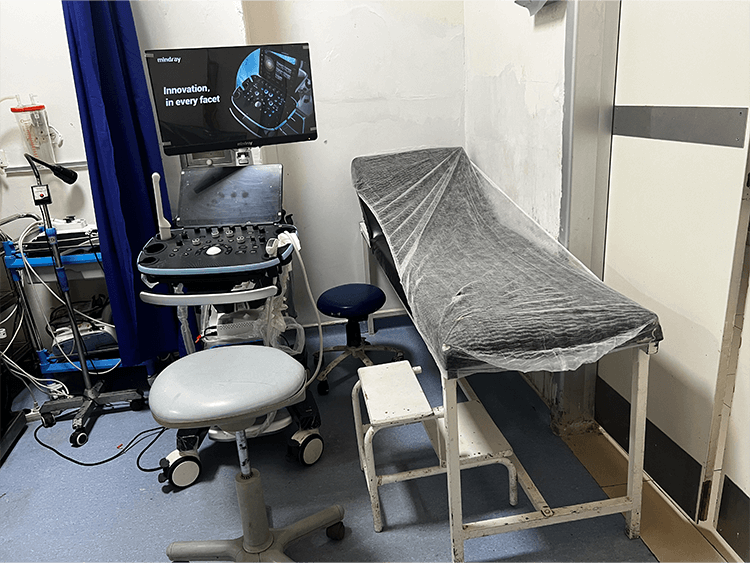
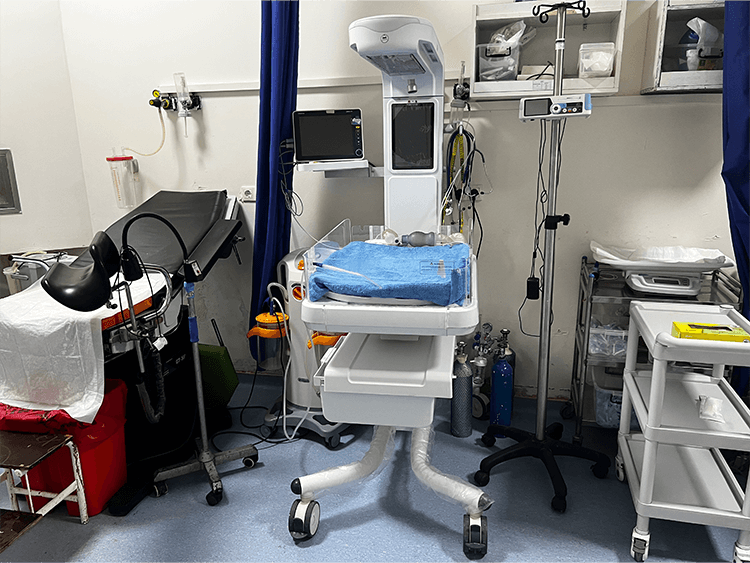
- High quality Ultrasound Machine Mindray Resona i9.
- Fetal Monitors: These devices track the baby’s heart rate during labor.
- IV Stand and Fluids: Intravenous fluids might be administered for hydration or medication.
- Oxygen Mask/Equipment: If necessary, oxygen is provided to the mother or baby.
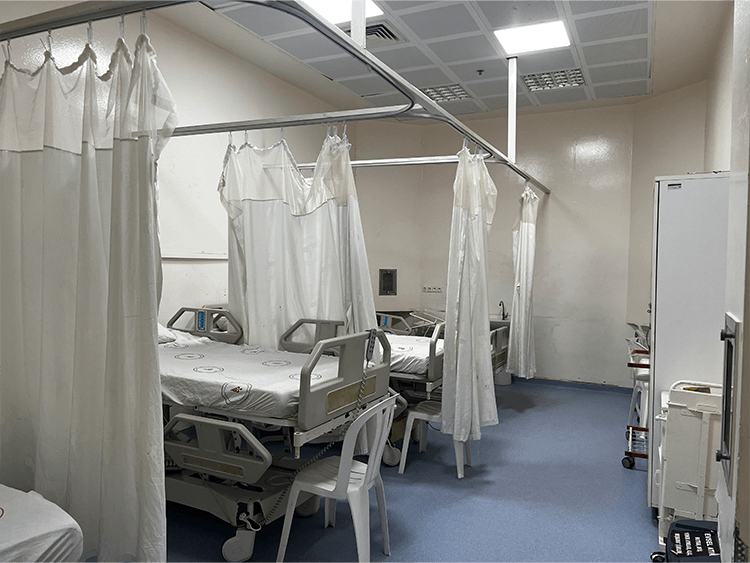
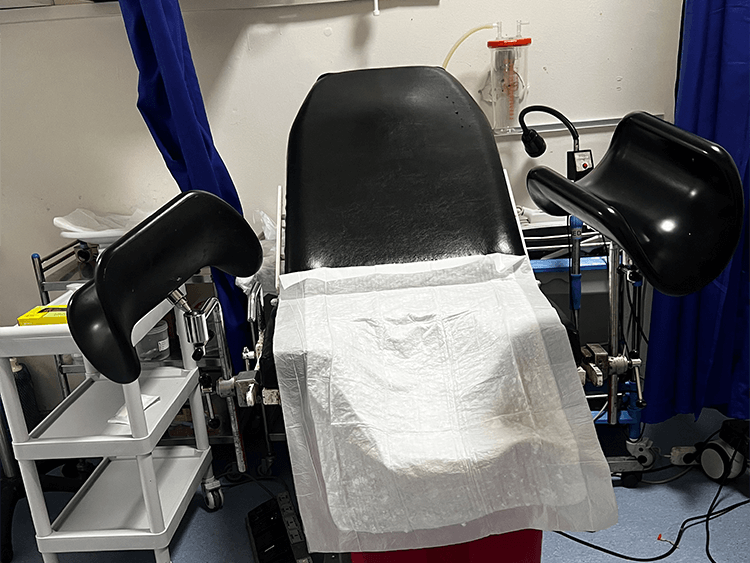
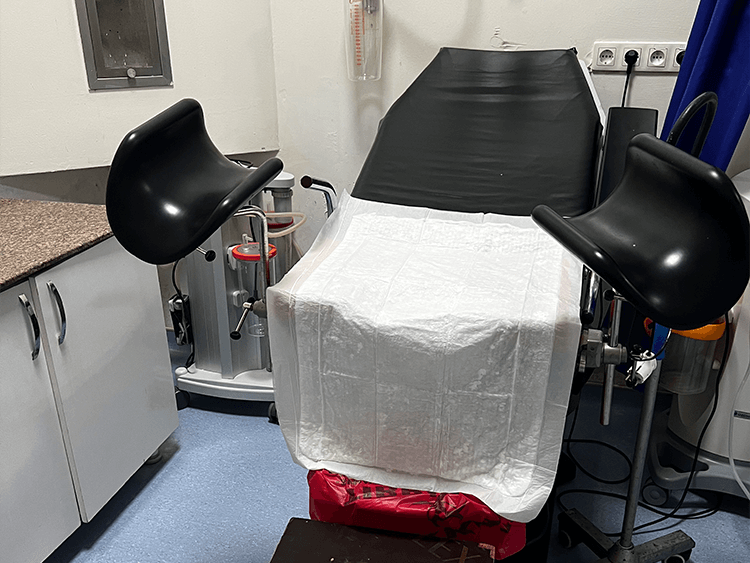
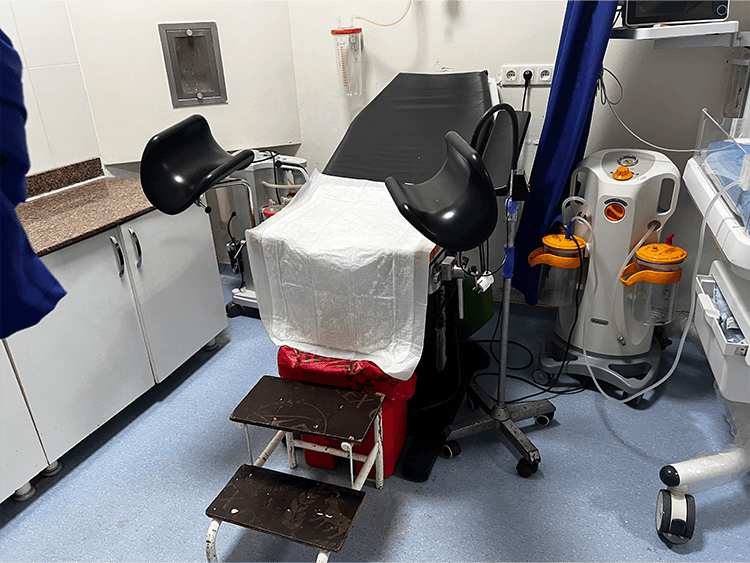
- Delivery Bed: A specialized adjustable bed that allows for different labor positions.
- Surgical Instruments: Used if a C-section is needed or for other medical interventions.
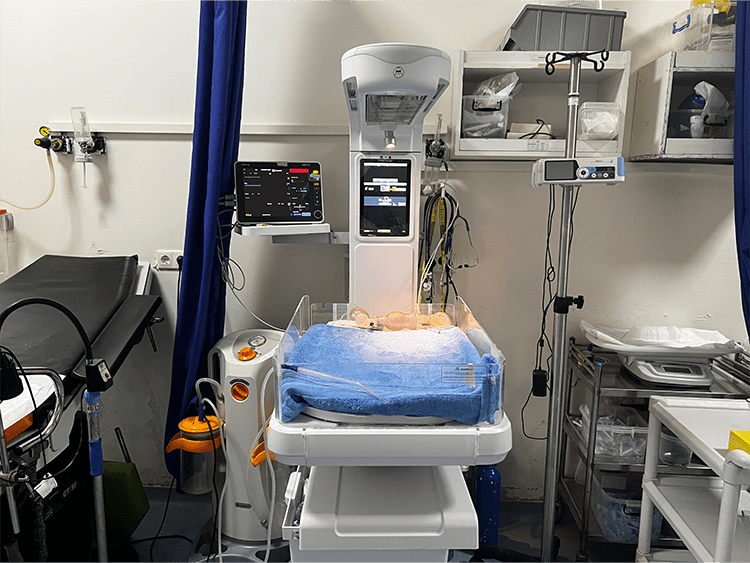
- Newborn Care Station: Often includes a warmer, suctioning equipment, and other tools to care for the baby immediately after birth.
- Personnel:
- Obstetrician/Gynecologist or Midwife: The primary doctor or midwife assisting with the delivery.
- Nurses: Nurses assist with various tasks, from monitoring vitals to assisting in the delivery.
- Pediatrician: Often present for the baby’s immediate care after birth.
- Privacy and Emotional Support:
- The delivery room is typically a private space to allow the birthing person to feel comfortable and supported.
- After the Birth:
- Once the baby is born, they are usually placed on the mother’s chest for skin-to-skin contact, if possible.
- The baby is monitored and assessed immediately, including checking the Apgar score (a quick test of the baby's health right after birth).
- The placenta is delivered, and any stitches or repairs to the mother (if needed) are performed.
The overall goal of the delivery room is to provide a safe, supportive, and medically equipped space for labor, delivery, and the immediate postpartum period.
Videos