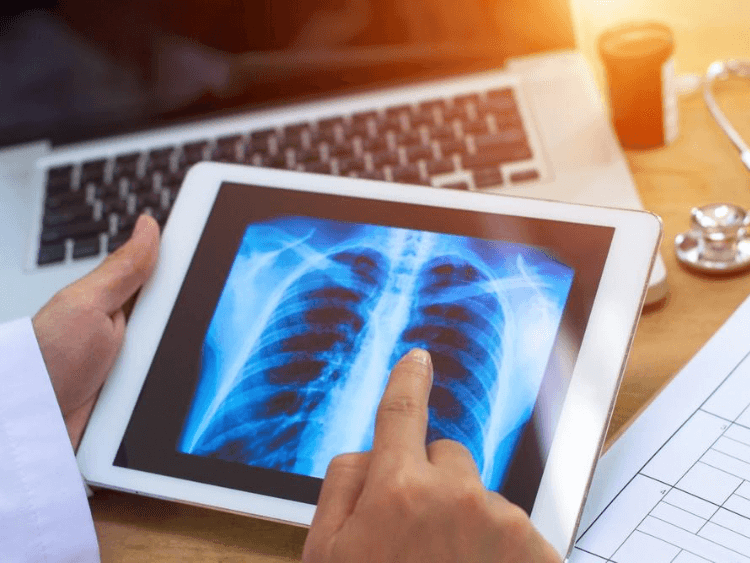
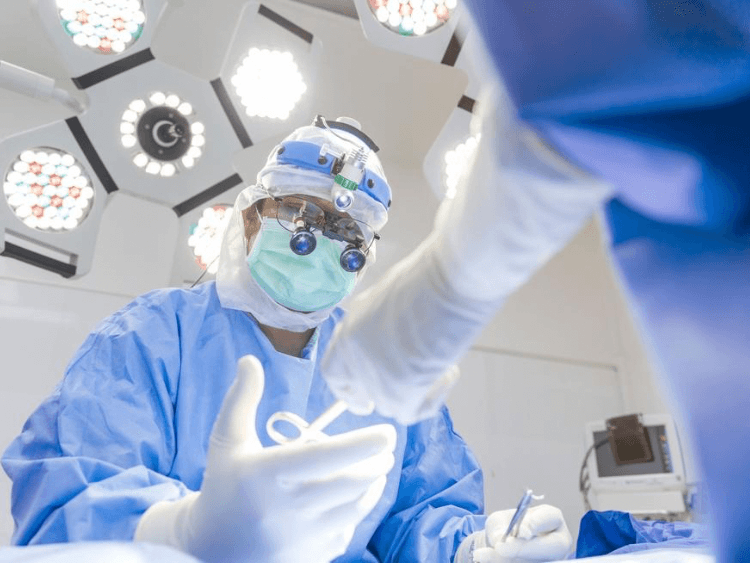
A Thoracic Surgery Clinic specializes in the diagnosis, treatment, and surgical management of conditions affecting the chest, particularly the lungs, heart, esophagus, and other structures within the thoracic cavity. common areas of focus in thoracic surgery clinics include:
Lung cancer is a malignant transformation of lung tissue and the leading cause of cancer-related deaths. It is generally classified histologically as either small cell lung cancer (SCLC) or non-small cell lung cancer (NSCLC).
Types of Lungs Cancer:
- Non-Small Cell Lung Cancer (NSCLC): The most common type, accounting for approximately 85% of cases. It includes subtypes such as adenocarcinoma, squamous cell carcinoma, and large cell carcinoma.
- Small Cell Lung Cancer (SCLC): Less common but more aggressive, comprising about 15% of cases.
Risk Factors:
- Smoking: The primary risk factor, responsible for the majority of cases.
- Environmental Exposures: Exposure to radon gas, asbestos, and certain chemicals.
- Genetic Factors: Family history of lung cancer can increase risk.
2.Chronic diseaseRequiring Thoracic Surgery Intervention:
- Chronic Obstructive Pulmonary Disease (COPD): A progressive lung disease characterized by airflow obstruction, often resulting from smoking. Surgical options may include lung volume reduction surgery or lung transplantation.
- Chronic Empyema: A collection of pus in the pleural cavity, often resulting from infection. Treatment may involve surgical procedures such as decortication or pleurectomy.
- Chronic Granulomatous Disease: A genetic disorder affecting the immune system, leading to recurrent infections. Thoracic surgical interventions may be necessary for persistent pulmonary infections.
3.Common Infectious Conditions RequiringThoracic Surgery Intervention:
- Lung Abscesses: Localized collections of pus within the lung tissue, often resulting from bacterial infections. Surgical drainage or resection may be necessary if the abscess does not respond to antibiotics.
- Empyema and pleural effusions: Accumulation of pus in the pleural space, typically following pneumonia. Management may involve drainage procedures, and in some cases, surgical decortication to remove infected tissue.
- Bronchiectasis: Chronic dilation of the bronchi due to repeated infections, leading to mucus accumulation and airway obstruction. Surgical resection of the affected lung segments can be considered when medical therapy fails.
- Tuberculosis (TB): In cases of drug-resistant TB or when medical therapy is inadequate, surgical resection of infected lung tissue may be necessary to control the disease.
4.Common Congenital Lung Diseases Requiring Thoracic Surgery Intervention:
- Congenital Pulmonary Airway Malformation (CPAM): Also known as congenital cystic adenomatoid malformation, CPAM involves the growth of abnormal lung tissue, leading to cysts or solid masses. This condition is the most common type of congenital lung abnormality.
- Bronchopulmonary Sequestration: This condition involves a portion of lung tissue that is not connected to the normal bronchial tree and receives its blood supply from systemic circulation rather than the pulmonary arteries. It can be intralobar (within the normal lung lobe) or extralobar (outside the normal lung).
- Congenital Lobar Emphysema: Characterized by overinflation of a lobe of the lung, this condition can lead to respiratory distress in newborns. It occurs when a lobe of the lung becomes overinflated, leading to compression of adjacent lung tissue.
- Congenital Diaphragmatic Hernia: A defect in the diaphragm allows abdominal organs to move into the chest cavity, potentially impairing lung development. This condition can lead to significant respiratory distress and requires prompt surgical intervention.
- Esophageal Disorders:
- Esophageal Cancer: Surgical removal of tumors, such as esophagectomy.
- Achalasia: A condition where the esophagus has trouble moving food into the stomach. Treatment might include surgery to relieve the obstruction.
- Gastroesophageal Reflux Disease (GERD): Surgical treatments to correct damage or improve function.
- Esophageal Motility Disorders: Conditions like diffuse esophageal spasm or nutcracker esophagus involve abnormal contractions of the esophageal muscles, leading to swallowing difficulties and chest pain. Management may include medications, lifestyle changes, and in some cases, surgical interventions.
- Paraoesophageal Herni:condition where part of the stomach pushes through the diaphragm into the chest cavity, potentially leading to obstruction or strangulation. Surgical repair is often necessary to prevent complications.
6.Chest wall Injuries:
- Rib Fractures: Breaks in the ribs, often causing pain and difficulty breathing.
- Flail Chest: Occurs when multiple adjacent ribs are fractured in multiple places, leading to a segment of the chest wall moving independently, impairing respiratory function.
- Sternal Fractures: Breaks in the breastbone, which can be associated with underlying heart injuries.
7.Pulmonary Injuries:
- Pulmonary Contusion: Bruising of the lung tissue, leading to swelling and impaired gas exchange.
- Pneumothorax: Accumulation of air in the pleural space, causing lung collapse.
- Hemothorax: Accumulation of blood in the pleural space, often due to rib fractures or lung injuries.
- Hemopneumothorax: Combination of air and blood in the pleural space.
8.Cardiac Injuries:
- Cardiac Tamponade: Accumulation of blood or fluid in the pericardial sac, compressing the heart and impairing its function.
- Myocardial Contusion: Bruising of the heart muscle, which can affect heart function.
9.Vascular Injuries:
- Traumatic Aortic Rupture: A tear in the aorta, often resulting from high-impact trauma.
- Vena Cava Injuries: Damage to the major veins returning blood to the heart.
- Diaphragmatic Injuries:
- Diaphragmatic Rupture: Tears in the diaphragm, potentially allowing abdominal organs to enter the chest cavity
11.Treatment for thoracic cancers often involves a multidisciplinary approach, including:
- Surgery: To remove tumors or affected tissues.
- Chemotherapy: Utilizing drugs to kill cancer cells or inhibit their growth.
- Radiation Therapy: Employing high-energy rays to target and destroy cancer cells.
- Targeted Therapies: Focusing on specific molecules involved in cancer growth.
- Immunotherapy: Enhancing the body's immune system to fight cancer.
12.A lung transplant is a surgical procedure in which a diseased or failing lung is replaced with a healthy lung from a donor. This intervention is typically considered when other treatments have been ineffective for end-stage lung diseases.
Indications for Lung Transplantation:
Lung transplantation may be considered for individuals with severe, end-stage lung diseases, including:
- Chronic Obstructive Pulmonary Disease (COPD): A progressive lung disease characterized by airflow obstruction.
- Idiopathic Pulmonary Fibrosis: A condition causing scarring of lung tissue without a known cause.
- Cystic Fibrosis: A genetic disorder affecting the lungs and digestive system.
- Pulmonary Hypertension: High blood pressure in the arteries of the lungs.
- Alpha-1 Antitrypsin Deficiency: A genetic disorder that can lead to lung and liver disease
13.Surgical Approaches in Thoracic Surgery:
Open Surgery:
- Posterolateral Thoracotomy: This traditional approach involves an incision through the back between the ribs, providing excellent exposure for procedures on the lungs and posterior mediastinum.
- Anterolateral Thoracotomy: Performed on the front of the chest, this approach offers good access to the lungs, pericardium, and diaphragm.
- Transcervical and Transaxillary Approaches: Transcervical: An incision made through the neck, typically used for procedures on the upper mediastinum.
- Transaxillary: An incision through the armpit, offering a less invasive option for certain thoracic conditions.
- Clamshell Incision: A bilateral anterior thoracotomy with transverse sternotomy, or clamshell incision, is the incision of choice for bilateral lung transplantation.
Minimally Invasive Surgery:
- Video-Assisted Thoracic Surgery (VATS): Utilizes small incisions and a camera to perform procedures with reduced pain and faster recovery.
Robotic-Assisted Surgery: Employs robotic systems for enhanced precision and control, often resulting in smaller incisions and quicker recovery times.