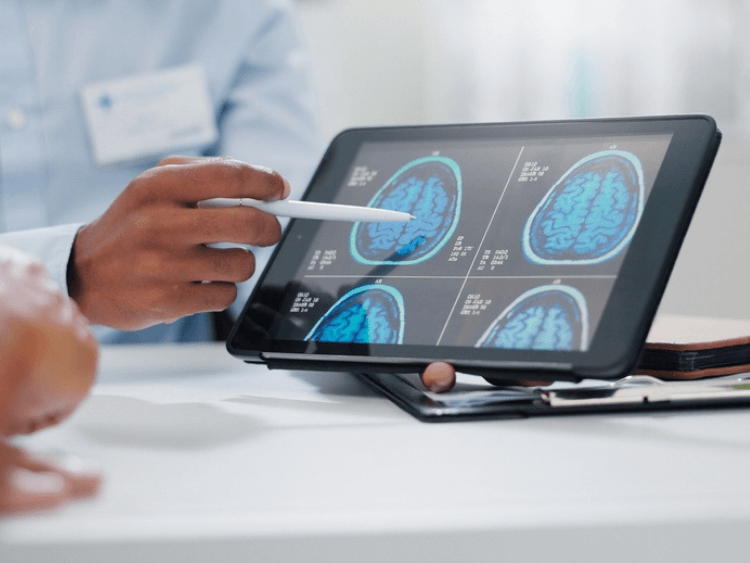
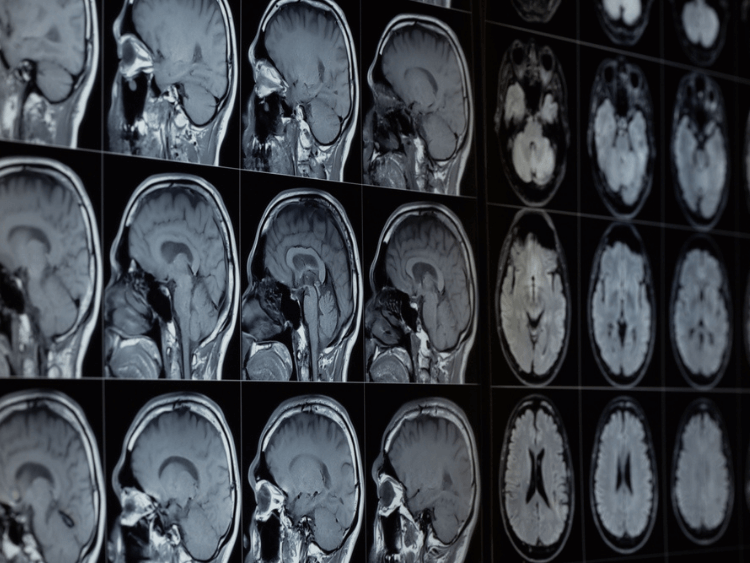
Neurology is a branch of medicine that focuses on the diagnosis, treatment, and management of disorders related to the nervous system. The nervous system includes the brain, spinal cord, and peripheral nerves, and it is responsible for controlling and coordinating various bodily functions, such as movement, sensation, thinking, and emotions.
Here’s a breakdown of key aspects of neurology:
Central Nervous System (CNS): Consists of the brain and spinal cord. It is responsible for processing information and regulating bodily functions.
Peripheral Nervous System (PNS): Includes the nerves outside the CNS, which transmit signals to and from the rest of the body.
Stroke: A condition where blood flow to the brain is interrupted, causing damage to brain tissue.
Epilepsy: A neurological disorder marked by recurrent seizures due to abnormal electrical activity in the brain.
Parkinson’s Disease: A neurodegenerative disorder affecting movement, characterized by tremors, stiffness, and bradykinesia (slowness of movement).
Alzheimer’s Disease: A progressive disorder that leads to memory loss, confusion, and cognitive decline.
Multiple Sclerosis (MS): An autoimmune disease that affects the CNS, causing symptoms like muscle weakness, coordination problems, and fatigue.
Migraine: A neurological condition causing severe headaches, often accompanied by nausea, vomiting, and sensitivity to light and sound.
Neuropathy: Damage to peripheral nerves, which can cause pain, numbness, and weakness in the affected areas.
Brain Tumors: Abnormal growths in the brain, which can affect neurological functions depending on their location.
MRI (Magnetic Resonance Imaging): Provides detailed images of the brain and spinal cord to detect abnormalities.
CT Scan (Computed Tomography): Used to detect bleeding, tumors, and other brain abnormalities.
EEG (Electroencephalogram): Measures electrical activity in the brain, helpful in diagnosing epilepsy and sleep disorders.
Lumbar Puncture (Spinal Tap): A procedure where a sample of cerebrospinal fluid is collected to diagnose conditions like infections or multiple sclerosis.
Nerve Conduction Studies and Electromyography (EMG): Evaluate the function of nerves and muscles.
Medications: Neurologists may prescribe drugs to manage symptoms of neurological disorders (e.g., anti-seizure medications, pain relievers for migraines, or dopamine agonists for Parkinson’s disease).
Physical Therapy and Rehabilitation: In cases of neurological damage, physical and occupational therapy can help patients regain lost functions.
Surgery: In some cases, surgical intervention may be necessary (e.g., tumor removal, deep brain stimulation for Parkinson's disease, or vascular surgery for stroke).
Lifestyle Modifications: For some conditions, lifestyle changes like a balanced diet, exercise, and stress management can play a significant role in treatment.
Neurophysiology: Focuses on the function of the nervous system, including the study of electrical activity and nerve function.
Neuroimmunology: Deals with immune-related diseases of the nervous system, such as multiple sclerosis.
Neurodegenerative Disorders: Specializing in diseases like Alzheimer's, Parkinson’s, and Huntington's disease.
Neurovascular: Focuses on disorders related to blood vessels in the brain, including stroke and aneurysms.
Pediatric Neurology: Deals with neurological disorders in children, such as epilepsy, cerebral palsy, and neurogenetic conditions.
Pain Management and Headache Disorders: Focuses on treating chronic pain syndromes and headache disorders like migraines and cluster headaches.
Neurogenetics: The study of genetic factors that influence neurological diseases, helping to identify genetic causes and potential therapies.
Neuroplasticity: The ability of the brain to reorganize itself by forming new neural connections, which can be critical in recovery after injury or stroke.
Neuroinflammation: The role of inflammation in neurological diseases, and how it might contribute to conditions like Alzheimer's disease, Parkinson's disease, and multiple sclerosis.
Regular physical and mental exercise is important for maintaining a healthy brain.
Proper nutrition, including omega-3 fatty acids, antioxidants, and vitamins, can support brain health.
Managing chronic conditions like hypertension and diabetes is crucial, as these can contribute to neurological problems.
Limiting alcohol consumption, avoiding smoking, and reducing stress can help prevent some neurological conditions.
Neurology is a complex and continually evolving field with significant advancements in research, technology, and treatments aimed at improving the quality of life for patients with neurological conditions.