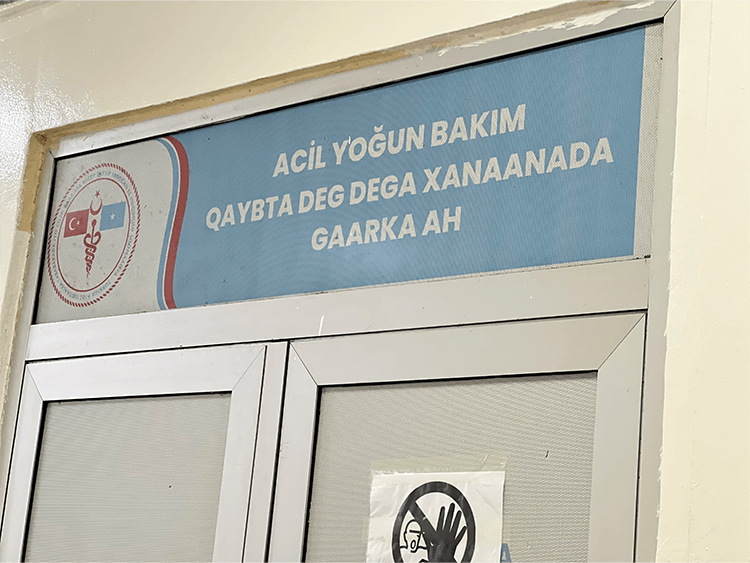
Introduction
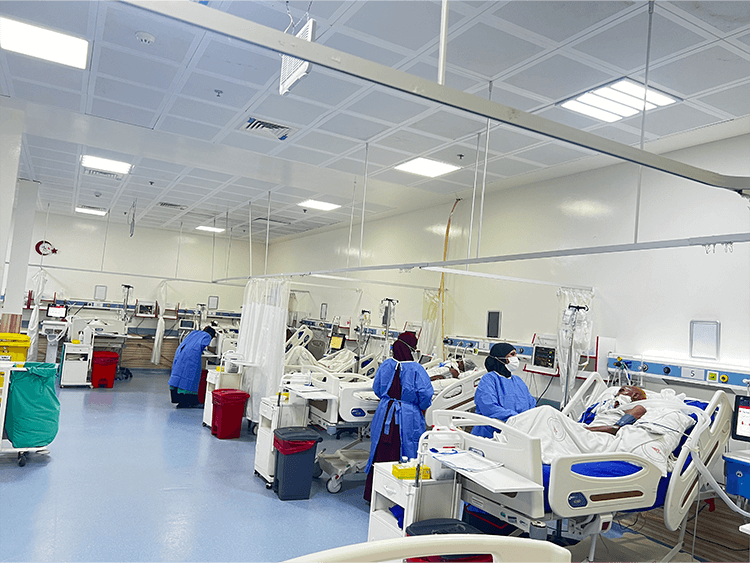
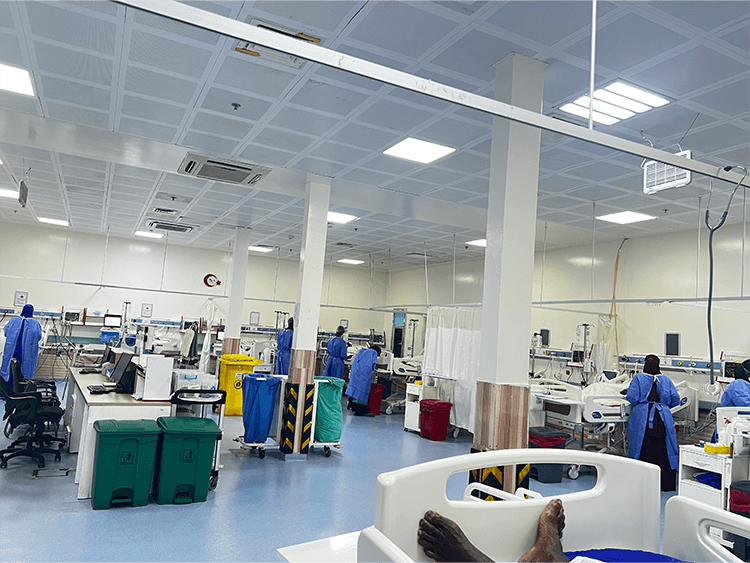
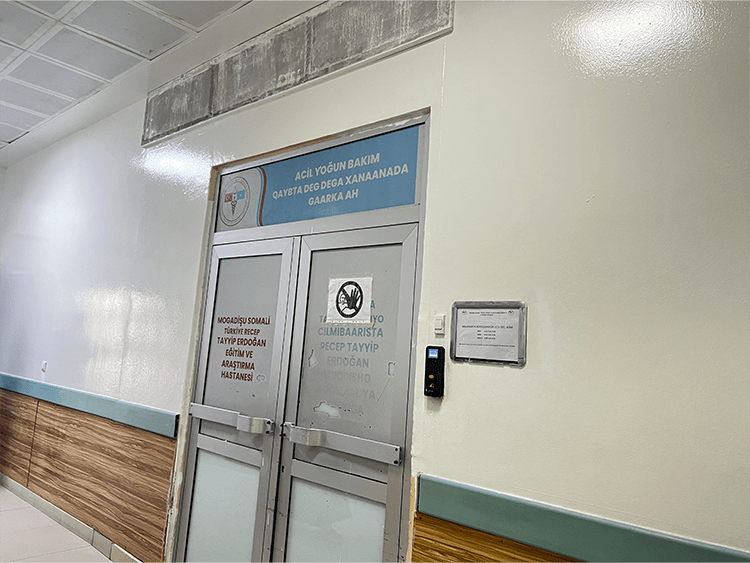
Emergency Intensive Care Unit (ICU) is a critical care area in our hospital designed to provide intensive treatment and monitoring for patients with severe or life-threatening conditions. While ICUs are often associated with post-surgical care, there are specialized ICUs dedicated to non-surgical patients, particularly those requiring internal medicine. This unit cater to patients with complex medical conditions such as renal failure, diabetes, respiratory failure, and other serious illnesses.
Purpose: The primary purpose of an ICU for non-surgical patients is to offer comprehensive care and close monitoring for individuals with acute medical conditions. These patients often require advanced medical interventions and continuous observation to manage their health effectively. The ICU environment is equipped to handle emergencies and provide life-saving treatments.
Types of Patients: Non-surgical ICUs cater to a variety of patients, including those with:
- Renal Failure: Patients with severe kidney dysfunction may require dialysis and other intensive treatments to manage their condition.
- Diabetes: Individuals with uncontrolled diabetes or diabetic complications, such as diabetic ketoacidosis, need close monitoring and specialized care.
- Respiratory Failure: Patients who cannot breathe adequately on their own may require mechanical ventilation and other respiratory support.
- Sepsis: Patients with severe infections leading to organ failure need intensive care to manage their condition and prevent further complications.
- Cardiac Issues: Patients with heart conditions, such as heart failure or arrhythmias, require continuous monitoring and specialized interventions.
Medical Team: The ICU for non-surgical patients is staffed by a dedicated team of healthcare professionals, including:
- Intensivists: Doctors specialized in critical care medicine who oversee the treatment and management of patients in the ICU.
- Anesthesiologists: Specialists who manage patient airway procetures, pain relief, and overall commatose patients
- Critical Care Nurses: Highly skilled nurses trained to monitor patients' vital signs, administer medications, and provide essential care.
- Dietitians: Experts who ensure patients receive appropriate nutrition, often through intravenous or tube feeding.
- Equipment:
- Ventilators: Machines that help patients breathe or provide breathing support.
- Monitors: Devices to constantly check vital signs, such as heart rate, oxygen saturation, and blood pressure.
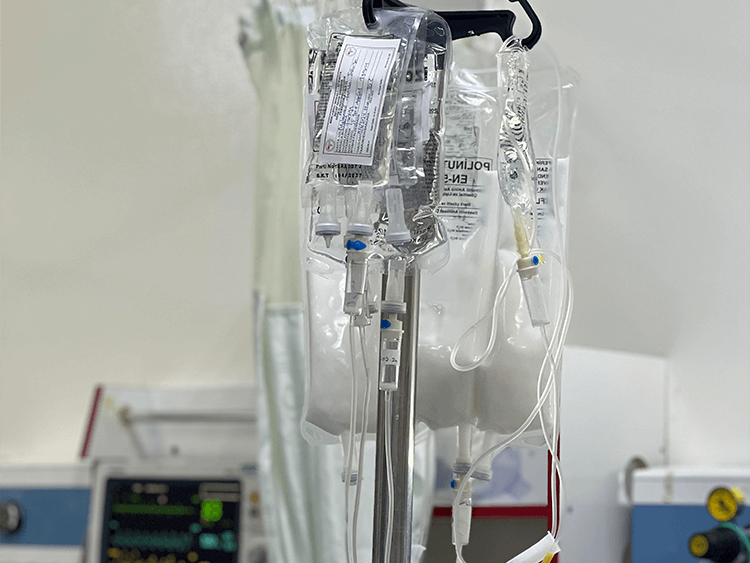
- Infusion pumps: Administer medications or fluids in precise amounts.
- Dialysis machines: Used for patients with kidney failure.
- Suction machines: Used to clear patient secretions.
- Centralized oxygen: Delivers pure oxygen to all patients.
- Defibrillators: Used for patients with abnormal heart rhythms.
- Monitoring and Care:
- Constant surveillance of the patient's vital signs.
- Administering medications, fluids, and nutrition (often intravenously).
- Ventilation support for patients unable to breathe on their own.
- Managing pain, sedation, and other symptoms for comfort and stabilization.
- Environment:
- ICUs are usually more isolated from other parts of the hospital, providing a quieter, controlled environment with limited visitation to minimize the risk of infections.
- Access to the ICU is often restricted, and family members are usually allowed limited visiting hours.
- Challenges and Ethics:
- The ICU can be a place of high-stress decisions for both patients and families, with complex ethical issues.
- Families often face emotional and mental challenges as their loved ones fight for survival.
Conclusion
Intensive Care Units (ICUs) are essential in providing life-saving care and aiding patients in their recovery from severe conditions. These units require a delicate balance of advanced medical expertise, cutting-edge technology, and compassionate care. The ICU environment is designed to offer intensive treatment and monitoring for patients with critical health issues, ensuring they receive the best possible care during their most vulnerable times. The dedicated medical team, including intensivists, nurses, and various specialists, work tirelessly to manage and stabilize patients, often facing complex ethical decisions and emotional challenges.
Videos