Neonatal Intensive Care Unit (NICU)

Neonatal Intensive Care Unit (NICU)

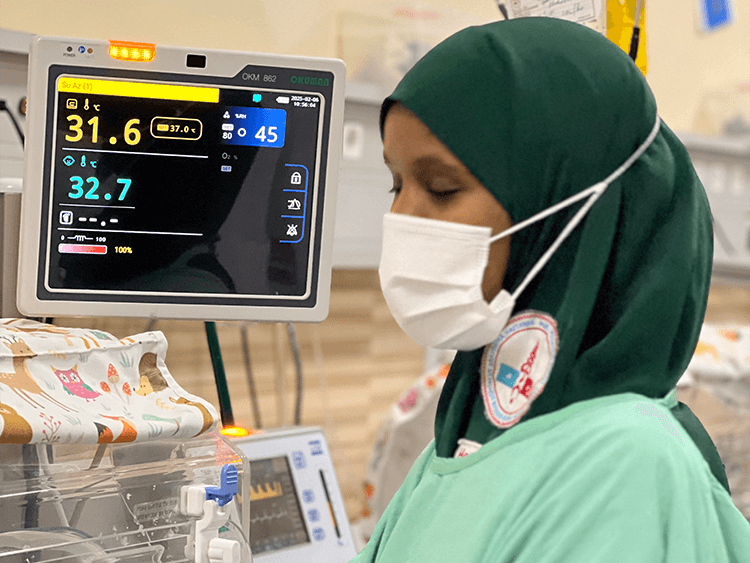
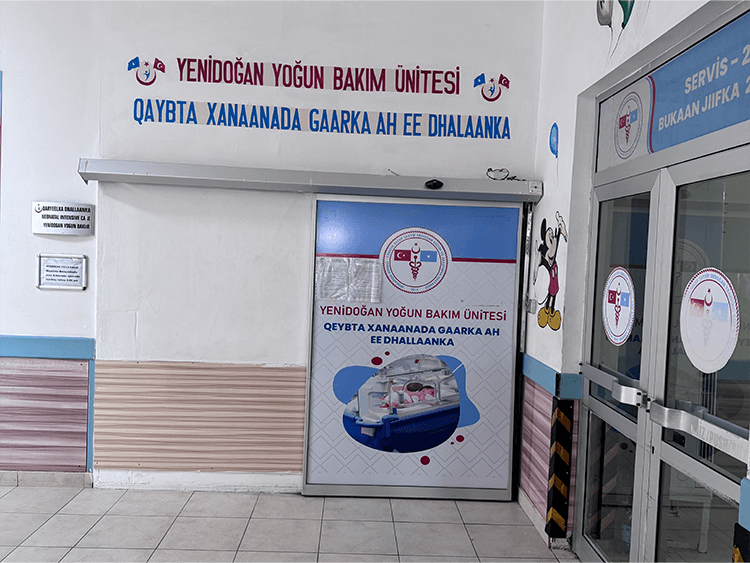
A Neonatal Intensive Care Unit (NICU) is a specialized unit within a hospital designed to provide intensive medical care and monitoring for newborns, particularly those who are born prematurely, have low birth weight, or have health conditions that require close observation and treatment. NICUs are equipped with advanced technology, such as ventilators, incubators, and monitoring systems, to support the care of fragile infants.

Key aspects of a NICU include:

  1. Premature and Sick Newborns: The NICU primarily cares for babies born before 37 weeks of gestation (preterm babies) or those who have conditions like respiratory distress syndrome, infections, or heart problems.
  2. Advanced Equipment: Equipment like incubators, CPAP (Continuous Positive Airway Pressure) machines, ventilators, and incubators help regulate body temperature, oxygen levels, and heart function.
  3. Specialized Staff: The NICU team includes neonatologists (doctors specializing in newborn care), Pediatric Specialists, nurses  and other specialists, all trained to handle the complex needs of newborns.
  4. Levels of Care: NICUs are often classified into different levels based on the severity of care they can provide:
    • Level I (Basic Care): Provides care for healthy, full-term newborns.
    • Level II (Specialty Care): For babies who are moderately ill or born slightly prematurely.
    • Level III (Subspecialty Care): For critically ill or very premature infants, offering specialized care.
    • Level IV (Regional NICU): Provides the highest level of care, including complex surgeries and life-saving procedures.
  5. Family Support: The NICU also offers support to families, as having a baby in intensive care can be emotionally challenging.
  6. Survival and Outcomes: Thanks to the advanced care in NICUs, survival rates for preterm and critically ill infants have significantly improved over the years. However, some babies may still face long-term health challenges, which require ongoing care.

NICUs play a critical role in ensuring that newborns with medical needs have the best chance of survival and healthy development. The length of stay in the NICU can different, depending on the baby's condition, ranging from a few days to several months.
Videos