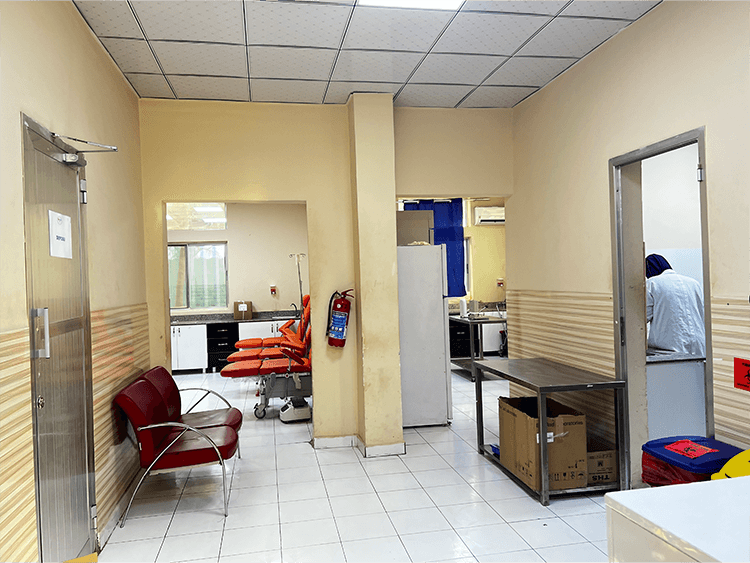
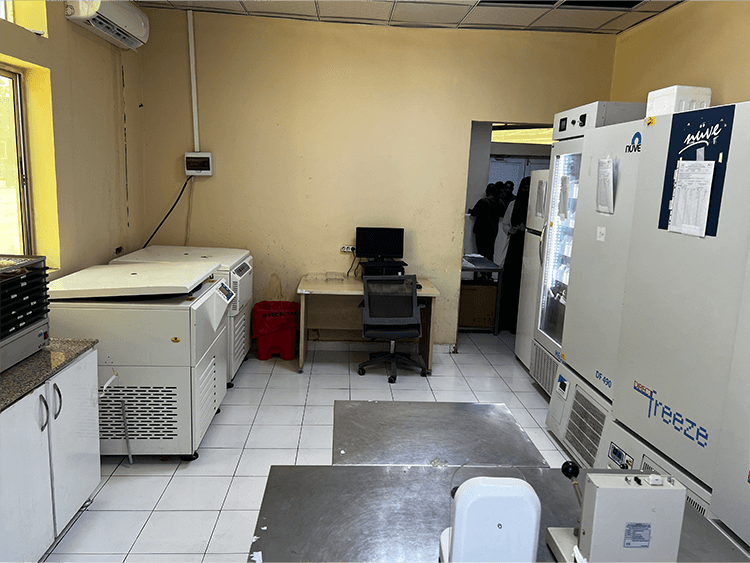
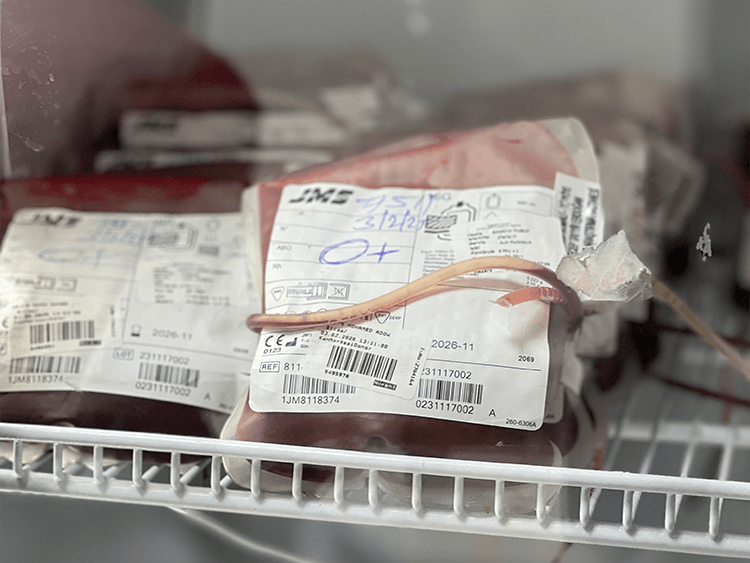
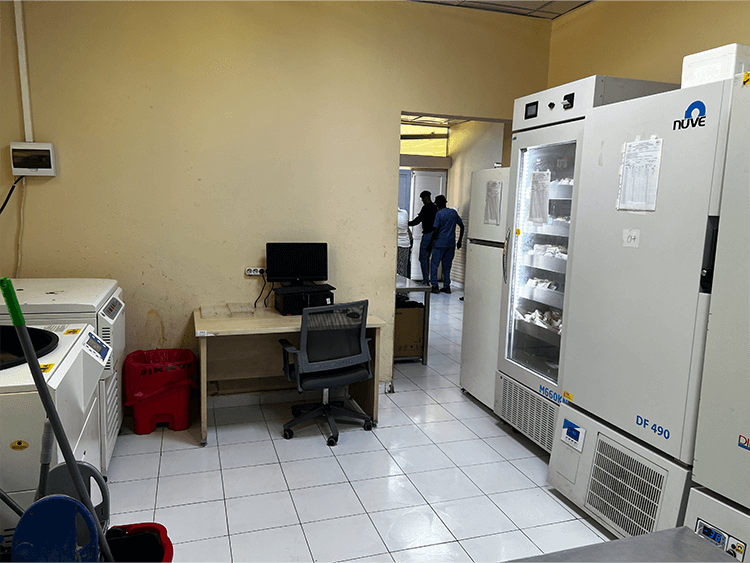
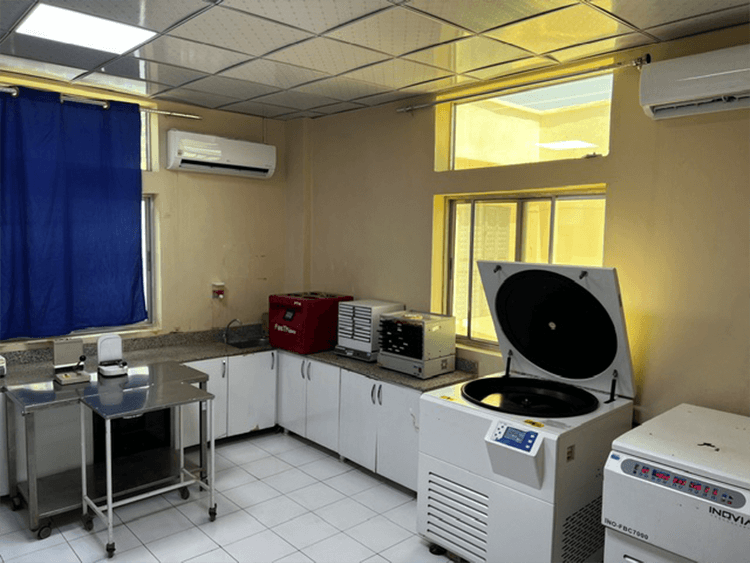
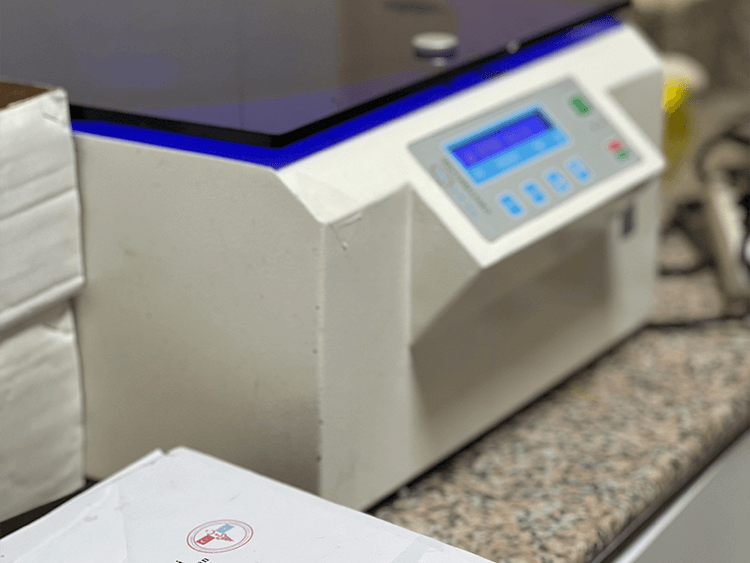
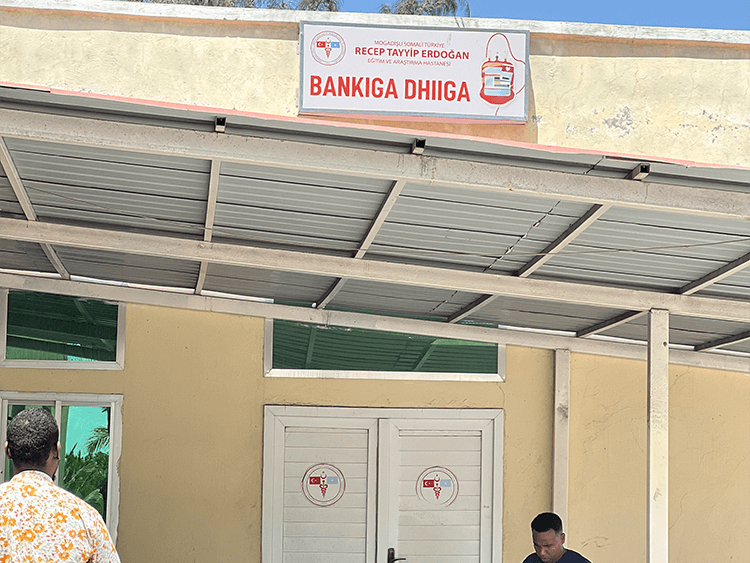
A blood bank is a place where blood and blood products are stored for later use. Blood banks play a vital role in medical care, as they provide the necessary blood for patients who need transfusions due to surgery, trauma, certain medical conditions, or illnesses like anemia.
Key aspects of a blood bank include:
- Blood Donation: Donors give their blood voluntarily. The blood is collected, often through a process like whole blood donation or apheresis (where specific components like plasma or platelets are separated).
- Blood Typing: Blood is categorized into different types (A, B, AB, O) and Rh factor (positive or negative) to ensure compatibility for transfusions.
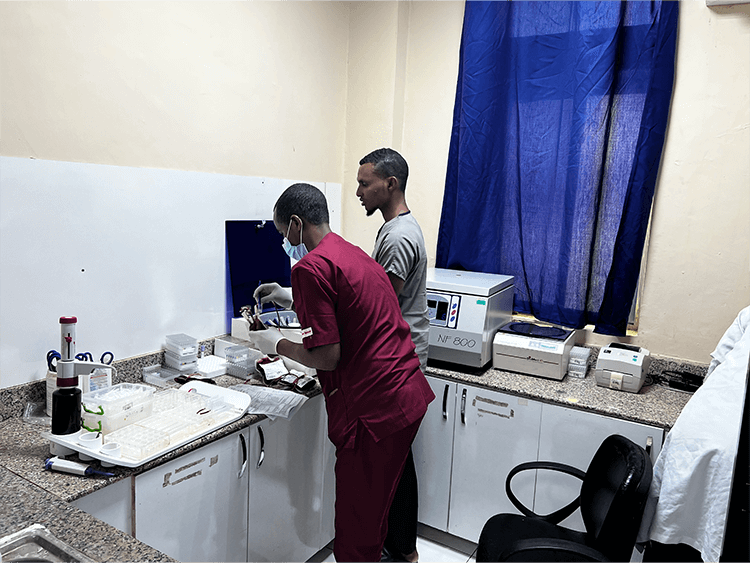
- Screening: Donated blood is carefully tested for diseases like HIV, Hepatitis, and other infections to ensure its safety.
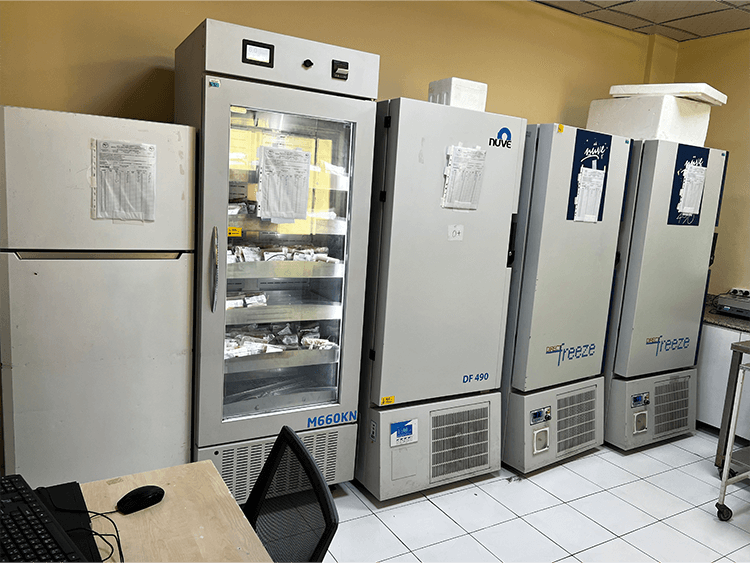
- Storage: Blood can be stored in various forms, such as whole blood, red blood cells, plasma, or platelets. It has a limited shelf life, so regular donations are needed to replenish stocks.
- Transfusions: Blood from the bank is used in emergency situations, surgeries, cancer treatments, or for patients suffering from blood loss or chronic conditions that affect blood production.
Blood banks collect, test, store, and distribute blood, which can be categorized into five main components:
- Whole blood: Blood in its entirety, not separated into components.
- Red blood cells (RBCs) – Used for treating anemia or blood loss.
- Plasma – Contains water, proteins, and electrolytes, often used for clotting disorders.
- Platelets – Used to treat low platelet counts, which may result from cancer treatments or certain blood disorders.
- Cryoprecipitate – A component of plasma used in the treatment of bleeding disorders.
Blood donation plays a critical role in maintaining a steady supply of these blood components. Donated blood is tested for diseases like HIV, Hepatitis, and other infectious agents to ensure safety. Blood banks often rely on volunteer blood donors to maintain a steady supply.
Videos