
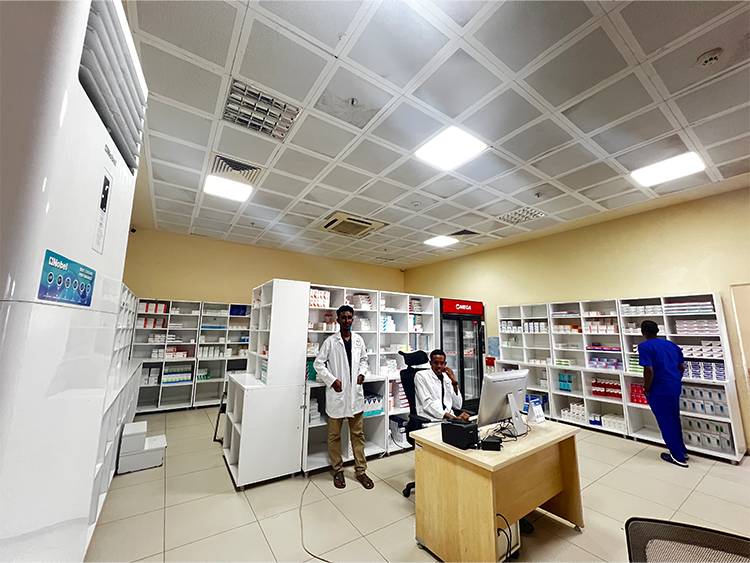

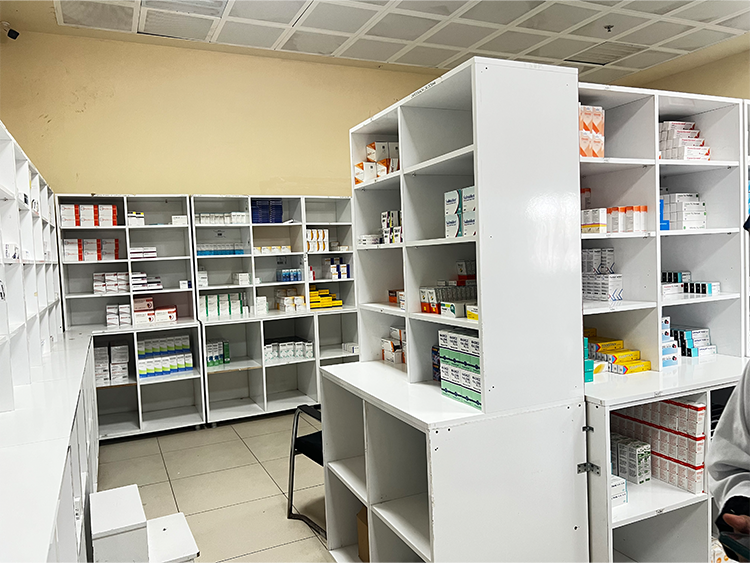

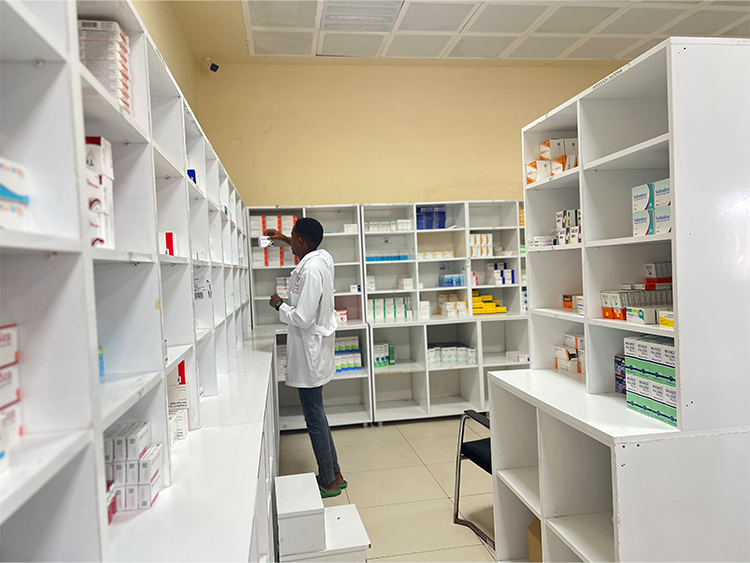
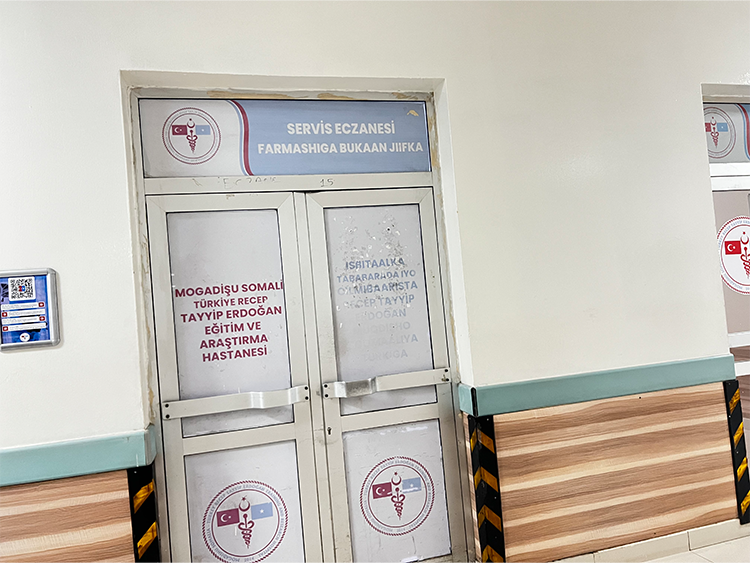
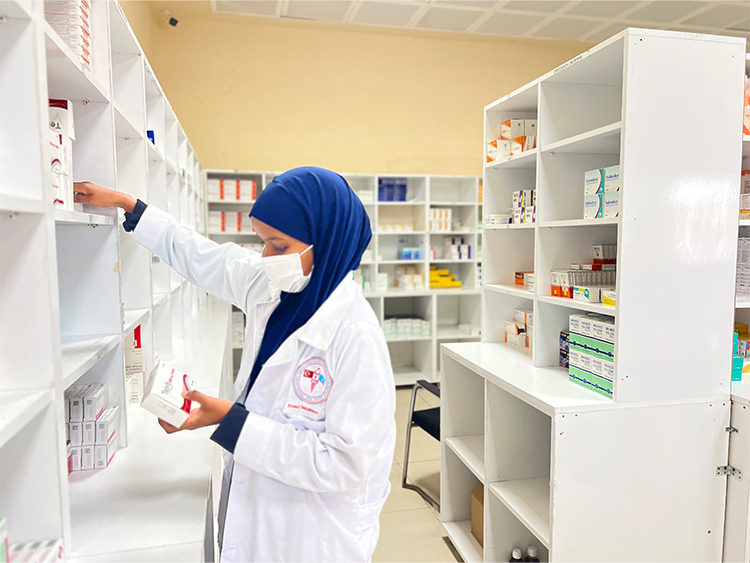

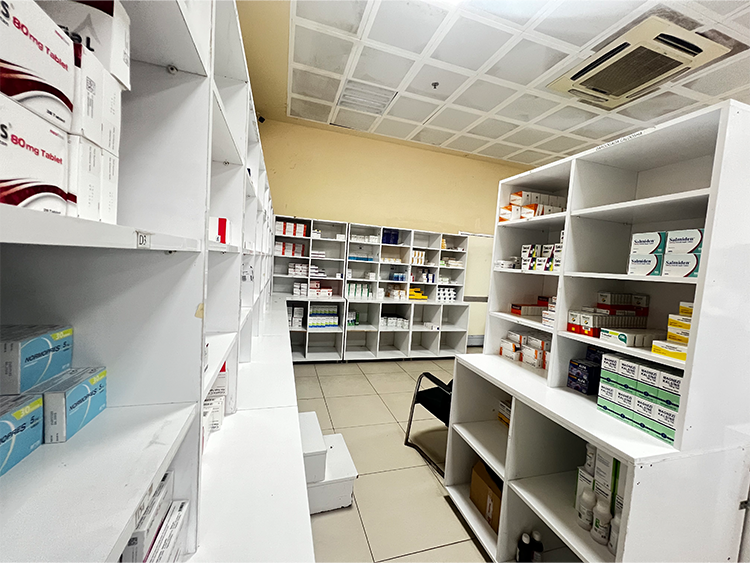
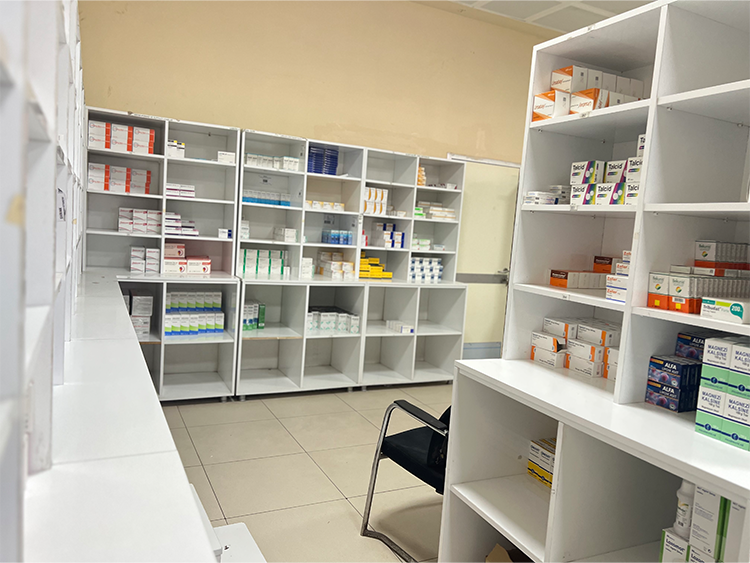
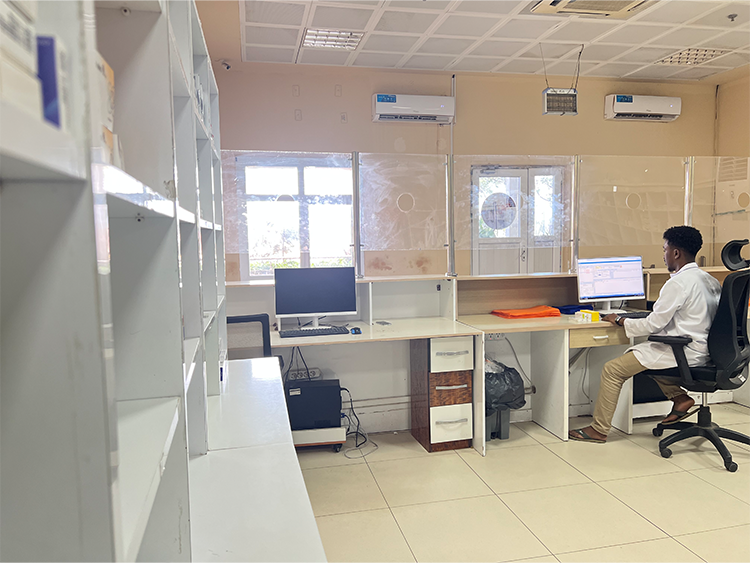

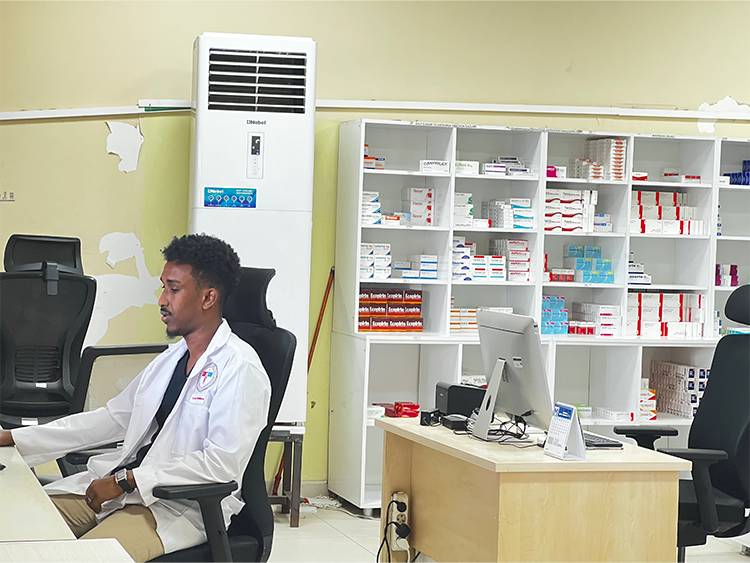
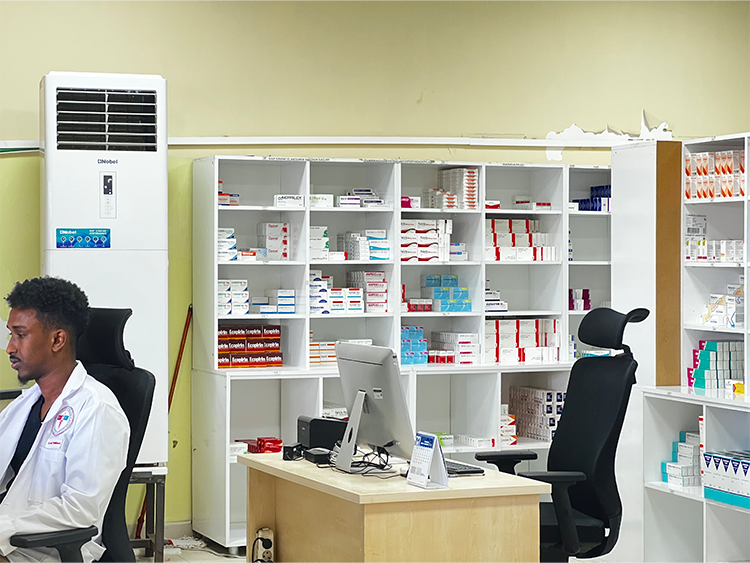


Pharmacy plays a crucial role in patient care within the hospital setting, ensuring the safe and effective use of medications. İt involves:
Dispensing Medications: Pharmacy provide medications to inpatients and outpatients, ensuring that prescribed treatments are accurate, timely, and meet regulatory standards.
Clinical Pharmacy Services: Pharmacists collaborate with doctors and other healthcare providers to monitor medication therapy, adjust dosages, and manage side effects or drug interactions.
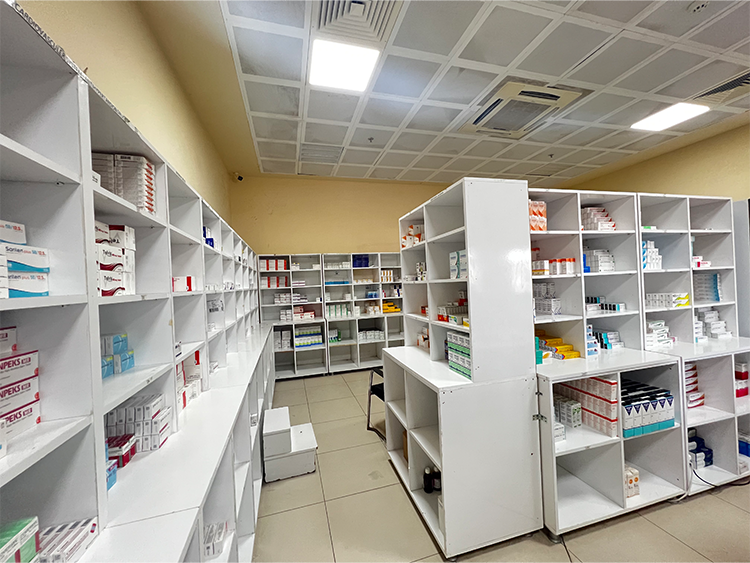
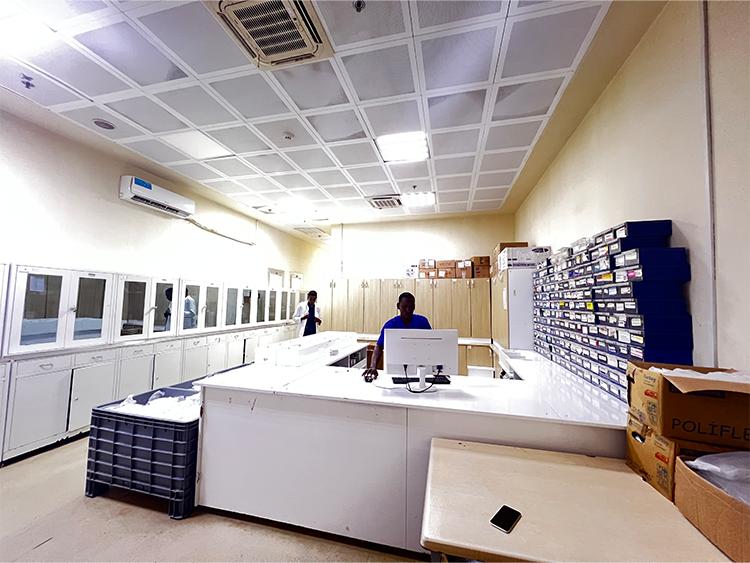
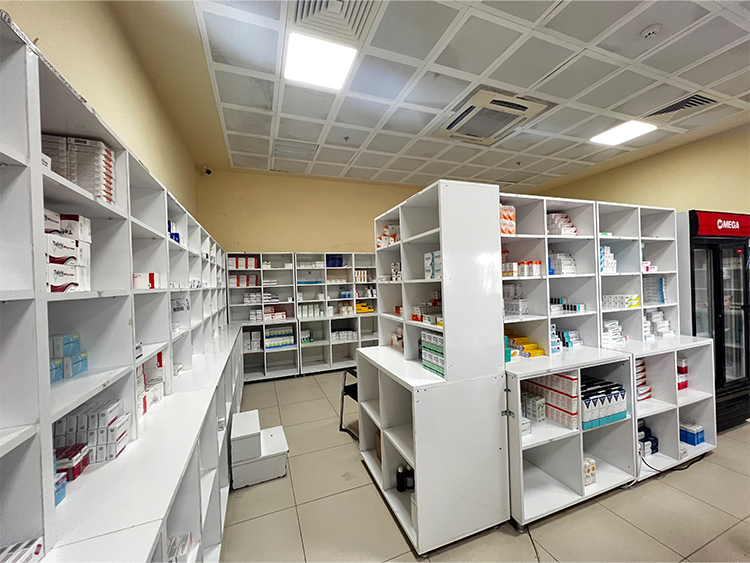
Inventory Control: Managing the stock of medications, ensuring adequate supply while minimizing waste, and maintaining storage conditions to keep medications safe.
Medication Safety: Pharmacists are integral in preventing medication errors by double-checking prescriptions and monitoring drug interactions.
Patient Counseling: They provide information on how to use medications safely, potential side effects, and any other concerns regarding treatment.
Specialized Support: In some settings, pharmacists focus on specific areas, such as oncology, pediatrics, or critical care, where specialized knowledge is needed for complex medications.
Sterile Compounding: Pharmacy prepare medications that need to be sterile, such as injections, IV drips, or chemotherapy preparations.
Non-Sterile Compounding: Pharmacists also prepare customized drug formulations, such as suspensions or topical creams, according to patient needs.
Multidisciplinary Rounds: Pharmacists often participate in rounds with physicians, nurses, and other health professionals to discuss and optimize patient care plans.
Education and Training: Pharmacists also educate other healthcare staff on new drug therapies, medication protocols, and regulatory requirements.
Pharmacies must adhere to strict regulations and guidelines set by national and international health authorities (such as the FDA, WHO, and local regulatory bodies) to ensure medication safety, quality, and effectiveness.
Electronic Health Records (EHR): Our Pharmacy use EHR systems to track patient medications, allergies, and dosages, improving safety and reducing errors.
Automation: Automated dispensing systems (like robotized medication cabinets) help streamline medication distribution and reduce the risk of human error.
Conclusion
Pharmacies are vital in ensuring that medications are provided safely and effectively to support the overall health of patients. Pharmacists in these settings play a key role in clinical decision-making, ensuring optimal therapeutic outcomes, and maintaining regulatory standards.