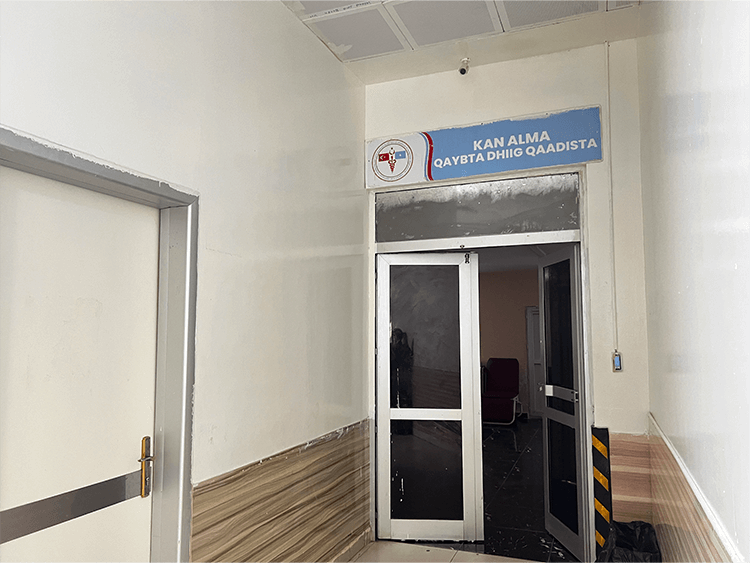
Blood-Taking Unit, commonly referred to as the phlebotomy unit, is an area where blood samples are collected from patients for various diagnostic purposes. Phlebotomists, who are trained healthcare professionals, are responsible for drawing blood from patients in a safe and efficient manner.
Key aspects of the blood-taking unit include:
- Blood Collection: The primary task is to draw blood samples. Phlebotomists use sterile needles and equipment to obtain blood from veins, usually in the arm (though in some cases, other locations like the hand or foot may be used).
- Types of Tests: Blood is collected for a variety of tests, including routine blood counts, cholesterol levels, glucose levels, and specialized tests like blood cultures or hormone levels. These tests help doctors diagnose and monitor different conditions.
- Safety and Sterility: It's essential to maintain a sterile environment to prevent infections. The blood-taking area is usually equipped with disinfecting tools, gloves, and other materials to ensure patient and staff safety.
- Patient Care: The blood-taking unit is focused on patient comfort as well as accuracy. Blood draws can be a source of anxiety for some patients, so professionals working in the unit ensure a calm and supportive atmosphere. They also explain the process to patients, especially in cases of pediatric or elderly patients.
- Lab Coordination: Once blood is collected, it’s sent to the laboratory for analysis. The phlebotomy unit often works closely with lab technicians and medical staff to ensure that samples are processed quickly and correctly.
- Handling Special Cases: Some patients may have special needs, such as difficult veins, allergies, or chronic conditions. In such cases, the staff may need to adjust their approach to blood collection, such as using a smaller needle or applying other techniques.
The blood-taking unit plays a critical role in diagnostics and patient care, providing the necessary samples for testing and contributing to overall medical treatment plans.