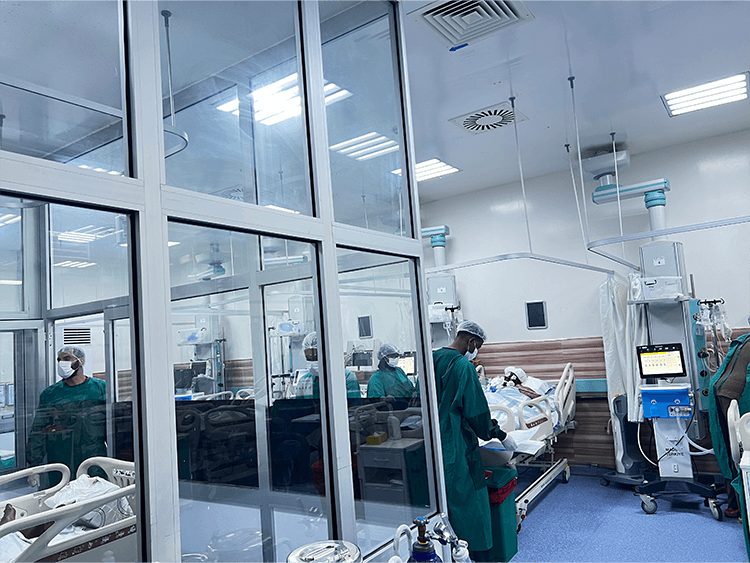
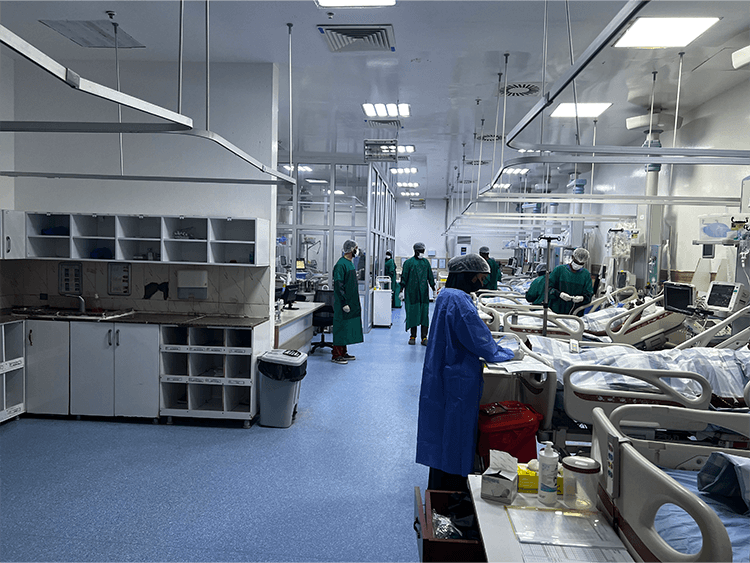
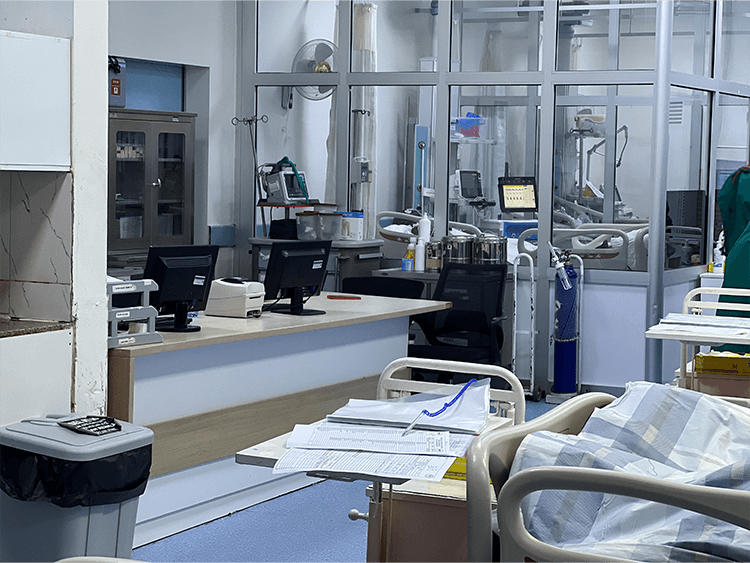
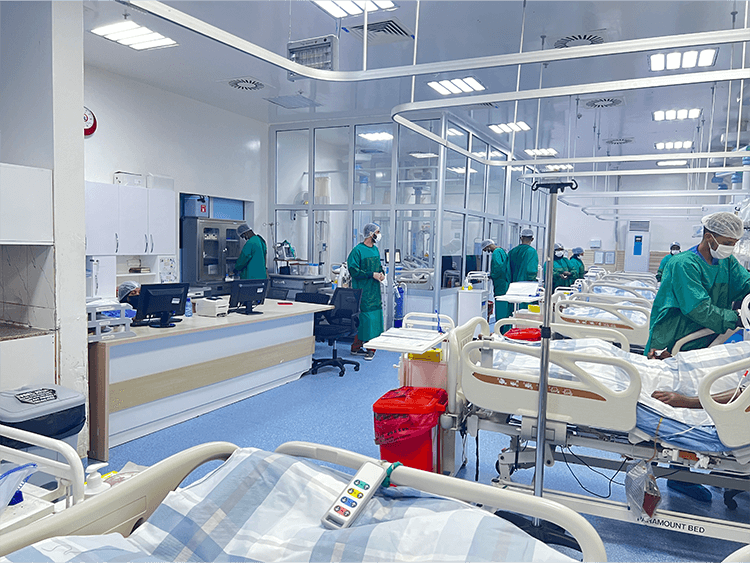
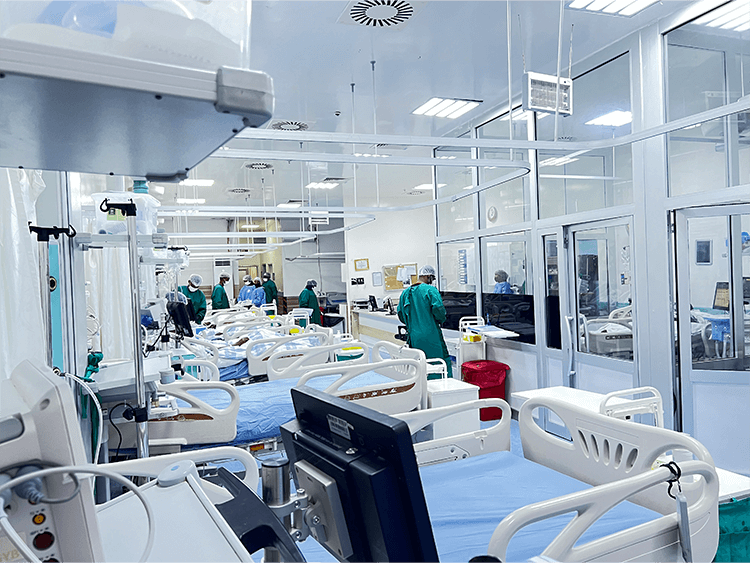
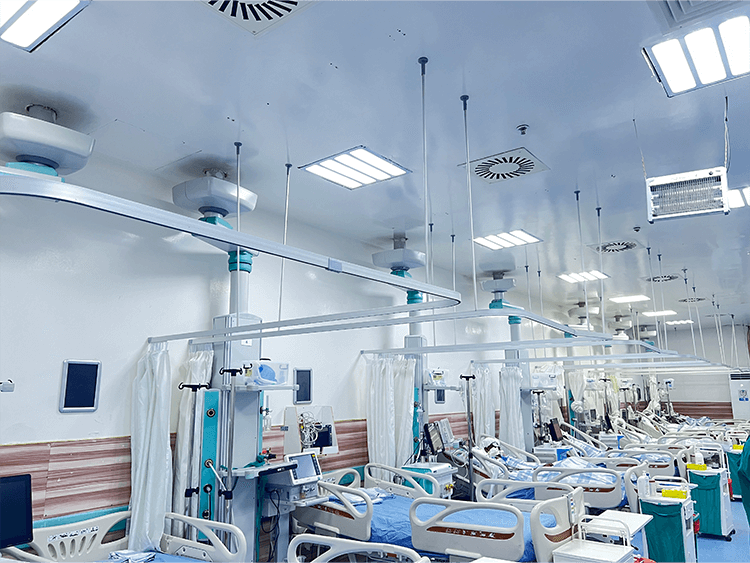
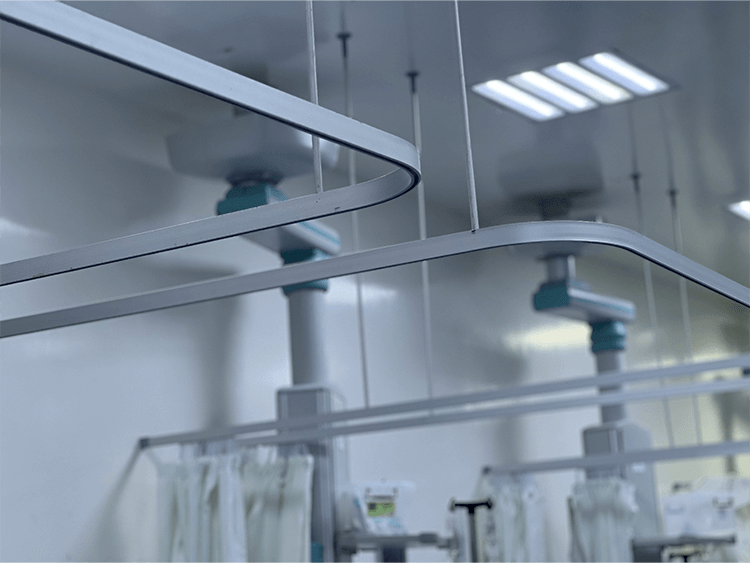
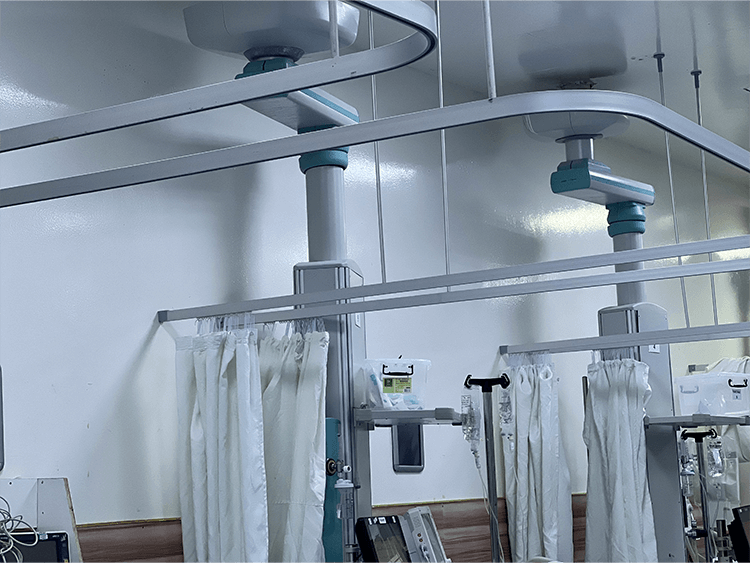
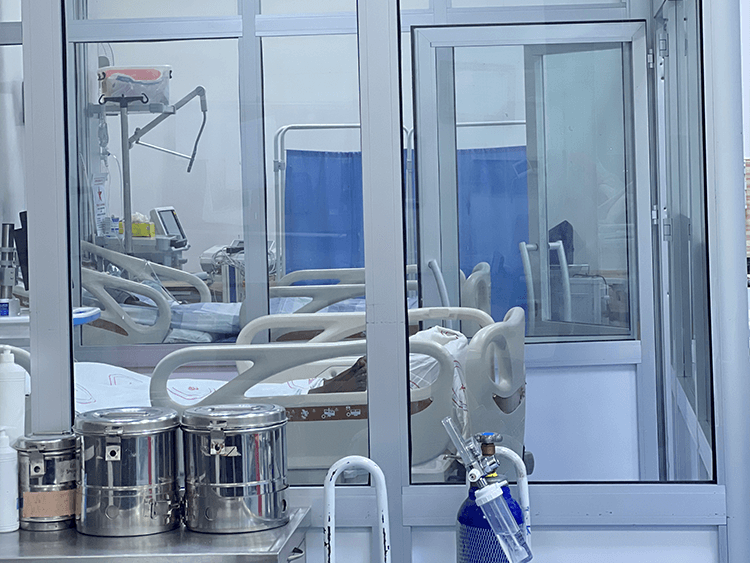
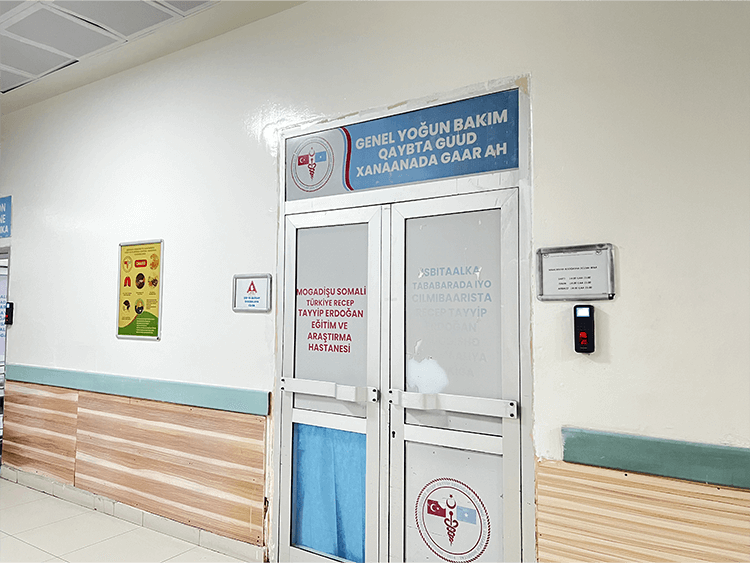
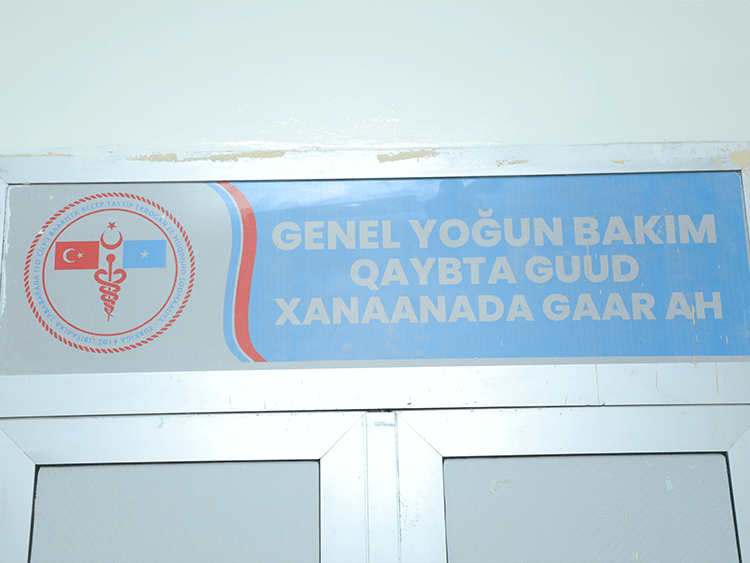
The Intensive Care Unit (ICU) is a critical care area in our hospital designed to provide intensive treatment and monitoring for patients with severe or life-threatening conditions. While ICUs cater to a variety of patients, there are specialized ICUs dedicated to surgical patients. This unit is equipped to handle the unique needs of patients who have undergone major surgeries and require close monitoring and advanced medical care.
Purpose: The primary purpose of our ICU for surgical patients is to offer comprehensive post-operative care and close monitoring for individuals who have undergone major surgical procedures. These patients often require advanced medical interventions and continuous observation to manage their recovery effectively. The ICU environment is equipped to handle post-surgical complications and provide life-saving treatments.
Types of Patients: Surgical ICUs cater to a variety of patients, including those who have undergone:
- Cardiac Surgery: Patients who have had heart surgeries, such as coronary artery bypass grafting (CABG) or valve replacements, require intensive monitoring and care.
- Neurosurgery: Individuals who have undergone brain or spinal surgeries need close observation to manage potential complications and ensure proper recovery.
- Trauma Surgery: Patients with severe injuries from accidents or trauma require specialized care to manage their recovery and prevent complications.
- Major Abdominal Surgery: Individuals who have undergone complex abdominal surgeries, such as bowel resections or gastric bypass, require close monitoring and care.
Medical Team: The ICU for surgical patients is staffed by a dedicated team of healthcare professionals, including:
- Anesthesiologists: Specialists who manage pain relief and sedation for post-surgical patients.
- Surgeons: Doctors specialized in various surgical fields who oversee the post-operative care and management of patients in the ICU.
- Critical Care Nurses: Highly skilled nurses trained to monitor patients' vital signs, administer medications, and provide essential post-operative care.
- Dietitians: Experts who ensure patients receive appropriate nutrition, often through intravenous or tube feeding.
Equipment: The ICU is equipped with advanced medical devices to support the care of surgical patients, including:
- Ventilators: Machines that assist or take over the breathing process for patients with respiratory failure.
- Monitors: Devices that continuously track vital signs such as heart rate, blood pressure, oxygen saturation, and respiratory rate.
- Infusion Pumps: Equipment that delivers precise amounts of medications, fluids, and nutrition to patients.
- Suction Machines: Equipment used to clear secretions from patients' airways.
- Centralized Oxygen: A system that provides a steady supply of oxygen to patients who need it.
- Defibrillators: Devices used to treat patients with life-threatening cardiac arrhythmias.
Monitoring and Care: Patients in the ICU receive constant surveillance and care, including:
- Continuous monitoring of vital signs to detect any changes in the patient's condition.
- Administration of medications, fluids, and nutrition, often through intravenous lines.
- Ventilation support for patients who cannot breathe on their own.
- Management of pain, sedation, and other symptoms to ensure patient comfort and stability.
- Post-operative wound care and management of surgical drains and catheters.
Conclusion
Intensive Care Units (ICUs) for surgical patients play a vital role in providing life-saving care and support for individuals who have undergone major surgeries. These specialized units combine advanced medical expertise, cutting-edge technology, and compassionate care to ensure the best possible outcomes for patients during their most vulnerable times.
Videos