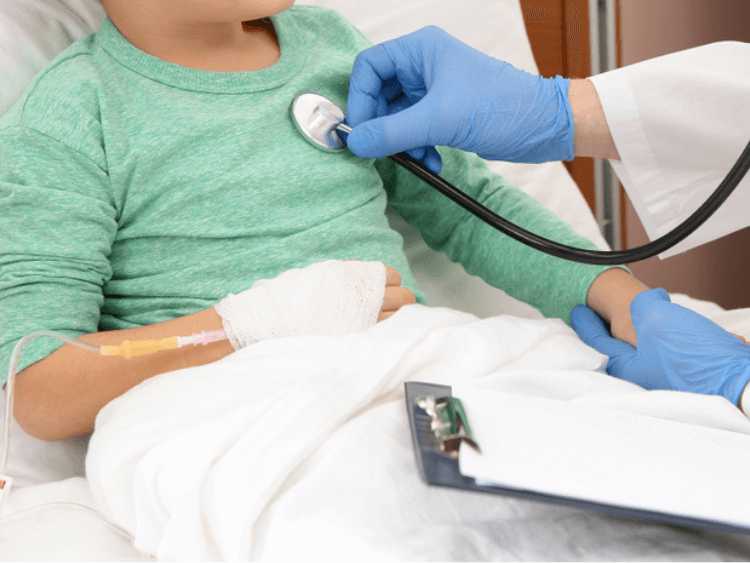

The Pediatric Surgery Department specializes in diagnosing, treating, and managing surgical conditions in infants, children, and adolescents. Pediatric surgeons are trained to handle congenital (present at birth) and acquired conditions that require surgical intervention. They work closely with pediatricians, anesthesiologists, and other specialists to ensure comprehensive care.
Common Pediatric Surgical Procedures
Inguinal Hernia & Umbilical Hernia – Bulging in the groin or belly button area.
Hydrocele – Fluid-filled sac around the testicle.
Undescended Testes (Cryptorchidism) – Testicles that haven’t moved into the scrotum.
Hypospadias – Abnormal urethral opening in boys.
Congenital Diaphragmatic Hernia (CDH) – Defect in the diaphragm allowing abdominal organs into the chest.
Anorectal Malformations – Abnormal development of the anus and rectum.
Esophageal Atresia & Tracheoesophageal Fistula (EA/TEF) – Defects in the esophagus.
Pyloric Stenosis – Narrowing of the stomach outlet, causing projectile vomiting in infants.
Gastroesophageal Reflux Disease (GERD) – Severe acid reflux requiring surgical intervention.
Intussusception – A condition where one part of the intestine slides into another, causing obstruction.
Hirschsprung’s Disease – Absence of nerve cells in the colon, leading to severe constipation.
Malrotation & Volvulus – Twisting of the intestines, leading to obstruction.
Teratomas – Congenital tumors, often found in the sacrococcygeal region.
Wilms' Tumor – A kidney tumor common in children.
Neuroblastoma – A cancer of nerve tissue in infants and young children.
Ovarian Cysts & Tumors – Cystic or solid growths in the ovaries.
Burns & Soft Tissue Injuries – Including skin grafting if needed.
Blunt & Penetrating Abdominal Trauma – Organ injuries requiring surgical repair.
Phimosis & Paraphimosis – Issues with the foreskin in boys.
Vesicoureteral Reflux (VUR) – Backflow of urine into the kidneys.
Posterior urethral valve (PUV) - obstructive developmental anomaly in the urethra
Varicocele – Enlarged veins in the scrotum, potentially affecting fertility.
Lipomas & Dermoid Cysts – Benign soft tissue tumors.
Hemangiomas & Vascular Malformations – Abnormal growths of blood vessels.
Abscesses & Infections – Such as pilonidal cysts or deep skin infections (necrotizing fascitis)
Pediatric surgery often uses specialized, minimally invasive techniques, such as laparoscopy or endoscopic surgery, which reduce recovery time and minimize scarring.
Family involvement a key aspect of pediatric surgery is involving parents in decisions and post-surgery care, making sure they feel supported and informed every step of the way.